Pests do not need much to become a recurring household problem. A few crumbs, a slow pipe leak, a warm storage box, or a gap beneath a door can provide the food, water, shelter, or access they need. A focused plan helps homeowners identify the small conditions that make each space inviting before activity becomes harder to manage.
For homeowners building a practical routine, pointepestcontrol.com can be part of the broader conversation about recognizing pest concerns early and taking prevention seriously. The most useful strategy is not to treat every room the same. Instead, inspect how pests may enter, hide, feed, or find moisture in that specific area.
This prevention-first mindset is often called integrated pest management. It begins with sanitation, maintenance, exclusion, and monitoring. Products may have a role when needed, but they work better when the underlying conditions are also corrected.
The Kitchen: Remove Food and Water Sources
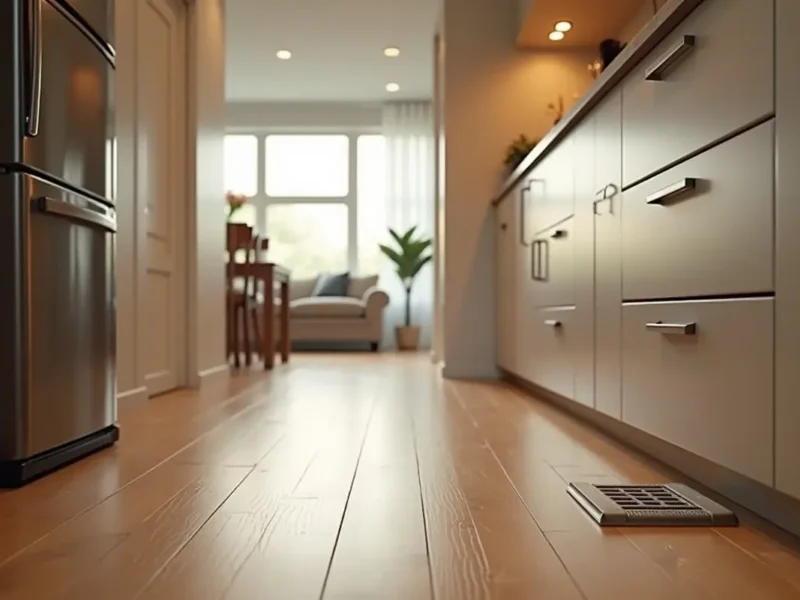
Kitchens offer easy access to crumbs, grease, food packaging, pet bowls, and plumbing. Wipe counters after meals, sweep or vacuum along cabinet edges, and clean beneath the refrigerator, range, and dishwasher where food residue can collect unnoticed. Keep dry goods, snacks, baking supplies, and pet food in tightly sealed glass, metal, or durable plastic containers.
Kitchen checklist
- Empty indoor trash frequently and wash the container when residue builds up.
- Do not leave pet food out overnight unless there is a specific care need.
- Repair leaking faucets, drain lines, and refrigerator water connections.
- Wipe greasy surfaces, including backsplashes, stovetops, and range hoods.
- Inspect cardboard boxes, grocery bags, and deliveries before storing them indoors.
The Bathroom: Control Moisture
Bathrooms can attract pests because they provide humidity, standing water, and concealed plumbing gaps. Use the exhaust fan during showers and leave it running afterward long enough to reduce lingering moisture. Hang bath mats to dry, repair drips around sinks and toilets, and check beneath vanities for damp cabinet floors.
Look closely around tubs, baseboards, pipe penetrations, and loose caulk. Small openings can provide insects access to wall voids, while persistent dampness can support pest activity such as silverfish, ants, and cockroaches.
The Bedroom: Reduce Clutter and Check Soft Items
Bedrooms are usually lower in food sources, but clutter creates quiet places for pests to hide. Vacuum beneath beds, around wall edges, inside closets, and behind nightstands. Keep laundry off the floor, avoid long-term piles of bags or papers, and use sealed bins for stored clothing and seasonal linens.
After travel, inspect luggage before bringing it into sleeping areas. Examine used furniture, stored textiles, bedding, and clothing for physical signs of pests. Skin irritation or bites alone do not confirm a specific pest issue, so look for evidence such as shed skins, spotting, insects, or damaged materials before deciding on a response.
The Living Room: Inspect Furniture and Entry Points
Couches, curtains, bookshelves, electronics, and decorative storage can create hiding places. Vacuum under furniture and between cushions, remove unnecessary piles of paper, and avoid letting shopping bags or packages sit for long periods. Indoor plants, firewood, and deliveries can occasionally introduce insects, so inspect them before placing them near furniture or walls.
Also check window screens, door sweeps, weather stripping, and gaps around trim. A screen with a small tear or a loose sweep may seem minor, but it can make a frequent pathway for crawling or flying pests.
The Basement, Attic, and Crawlspace: Find Hidden Access
Dark, quiet, seldom-used areas often reveal pest activity first. Inspect vents, foundation cracks, utility openings, roofline gaps, and places where plumbing, cable, or electrical lines pass through exterior walls. Store belongings in sturdy plastic containers rather than in loose cardboard, which can retain moisture and provide nesting material.
Rodent exclusion deserves close attention because mice can fit through a hole about one-quarter inch wide. If you find droppings, nesting material, or a dead rodent, avoid handling the material with your bare hands. Keep children and pets away, use appropriate protective measures, and address the entry point and cleanup.
The Garage and Yard: Limit Outdoor Connections
Garages connect the home to lawns, gardens, sheds, and outdoor storage. Keep recycling, birdseed, pet food, and garbage in sealed containers. Move stored belongings away from the walls so you can inspect behind them, and repair damaged weatherstripping along the garage door and side doors.
Outside, trim branches and shrubs away from walls, windows, and roof edges. Remove standing water from pots, toys, clogged gutters, and low spots. Keep firewood raised and well away from the foundation, clear leaf piles and dense debris from exterior walls, and consider whether bright exterior lighting is drawing flying insects close to doors and windows.
A Simple Weekly Inspection Routine
- Walk around the exterior and look for gaps, damaged screens, webs, trails, or disturbed soil.
- Check the kitchen, bathroom, basement, and garage for moisture, food residue, or full trash containers.
- Inspect packages, storage bins, used items, and firewood before moving them indoors.
- Look beneath appliances and furniture for crumbs, droppings, damage, or nesting material.
- Take notes or photos of recurring signs so changes are easier to track.
- Act early if sightings continue, odors develop, or signs increase.
When DIY Prevention Is Not Enough
Professional help may be appropriate when there are repeated sightings, strong unexplained odors, damaged wiring, nests, activity inside walls, extensive droppings, or pests that return after basic prevention steps. Repeating treatments without repairing leaks or closing entry points often leads to the same issue again.
If pesticide use is being considered, the steps to prevent pests from accessing food, water, and shelter are a useful foundation. Ask any service provider about inspection findings, treatment locations, follow-up visits, and precautions for children, pets, and sensitive household members.
Safer Pesticide Practices
- Choose a product registered and labeled for the specific pest and treatment area.
- Read the entire label before opening or applying the product.
- Keep food, toys, personal items, children, and pets away from treated areas as directed.
- Never mix products or apply more than the label permits.
- Use traps, sanitation, moisture control, and exclusion whenever they can address the problem with less chemical exposure.
Conclusion
Effective pest prevention starts with a careful look at how every room provides access, food, water, or shelter. By cleaning consistently, repairing small defects, reducing clutter, sealing gaps, and responding quickly to early signs, homeowners can make their homes far less welcoming to unwanted pests throughout 2026.