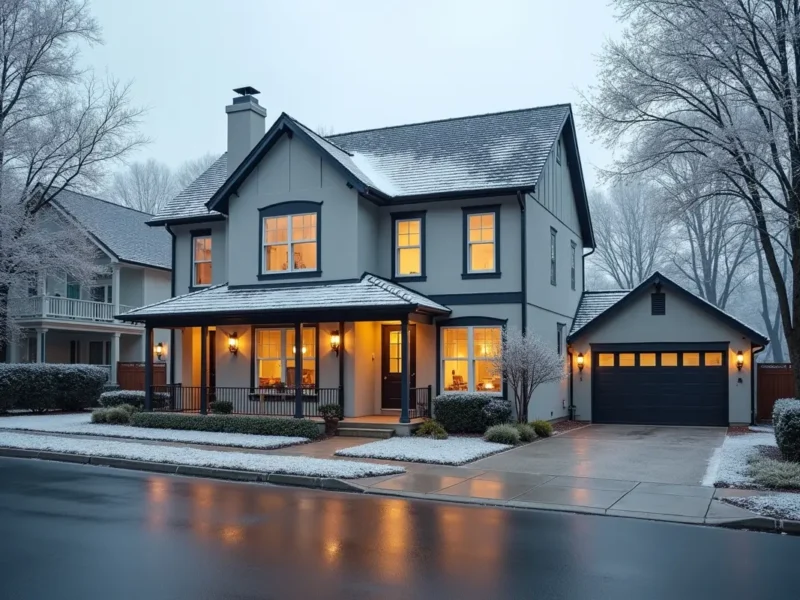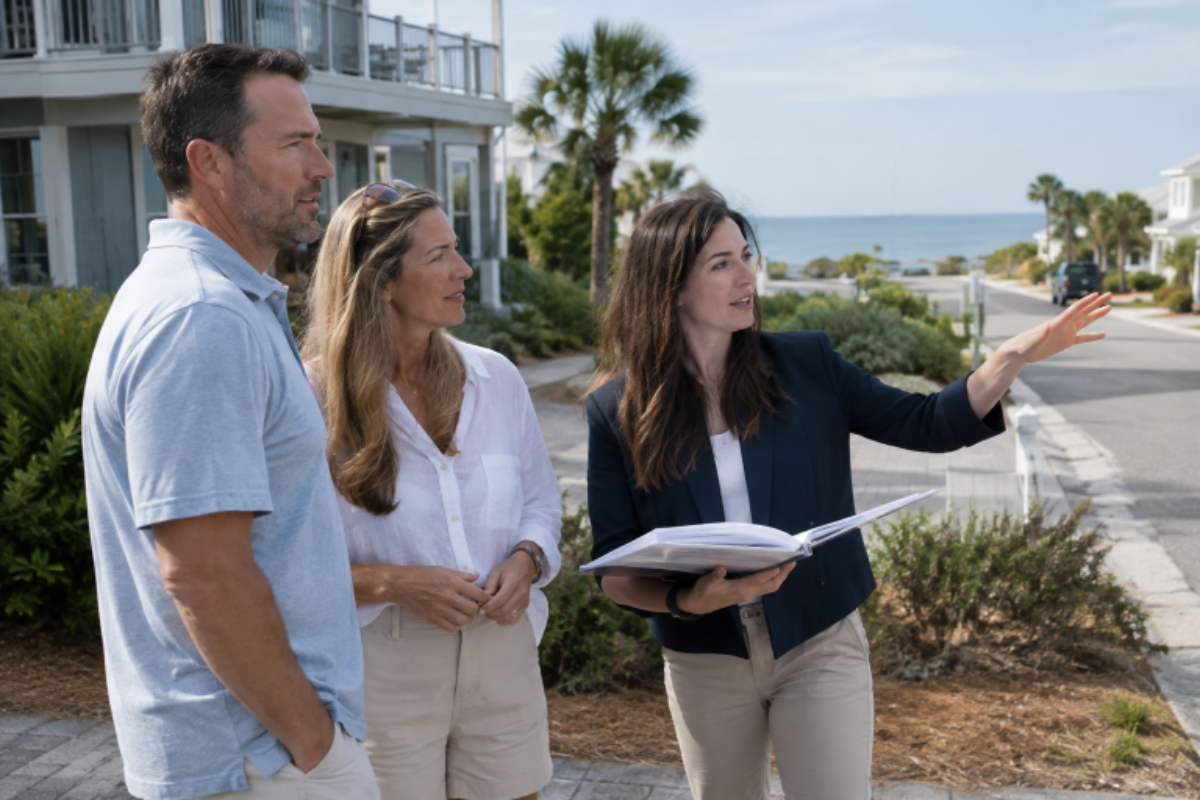
Buying along Florida’s Emerald Coast can mean choosing between walkable 30A communities, waterfront areas near Destin, quieter residential streets, and condominium-focused beach locations. A beautiful kitchen or Gulf view matters, but the surrounding roads, services, maintenance demands, and seasonal rhythm will shape everyday ownership long after closing.
Buyers who are narrowing options across South Walton and nearby coastal markets can benefit from a local perspective. 30a real estate agents at The Gettings Group work with buyers and sellers across 30A, South Walton, Destin, and the wider Emerald Coast, offering guidance on home searches, condos, and neighborhood distinctions that may not be obvious from listing photos alone.
Why the Neighborhood Matters
A house can be updated, but its location cannot. Along 30A and the Florida Panhandle coast, two similarly priced homes may offer entirely different experiences because of bridge routes, beach access points, visitor traffic, nearby construction, lot size, and distance to everyday services. Compare a quiet street with an active town-center setting based on how you expect to use the property, not simply on its proximity to the water.
Define Lifestyle and Property Priorities
Before touring extensively, make a short list of nonnegotiables and preferences. Include beach walkability, privacy, dining and shopping, boating or golf access, healthcare, school needs, airport travel, and commute time. Also, identify whether the home will be a full-time residence, a second home, an occasional getaway, or an investment property. This keeps attractive finishes from distracting you from the lifestyle that actually fits.
Compare the Full Cost of Ownership
The purchase price is only the opening number. Estimate annual property taxes, homeowners’ insurance, flood and wind coverage, utilities, landscaping, association dues, and property-management or home-watch services if the home will sit vacant part of the year. Coastal ownership can also involve costs for roof, pool, dock, seawall, lift, and exterior maintenance. Request insurance estimates for each exact address early, because details such as roof age, elevation, storm protection, claims history, and construction type can affect availability and pricing.
Review Flood, Storm, and Evacuation Factors
Flood zones, evacuation zones, storm-surge exposure, and drainage conditions are related but not the same. Start with the address on the FEMA Flood Map Service Center, then discuss the findings with the lender, insurer, and qualified local professionals involved in the transaction. For a broader context, NOAA’s coastal flood exposure mapper can help compare nearby flood-related conditions, but it should be treated as a planning tool rather than a property-specific risk determination.
Inspect the Home and Surrounding Area
Look Beyond the Interior
Coastal air, humidity, heavy rain, and strong sun make exterior systems especially important. Review roof age and permits, win. Still, it includes doors, shutters, HVAC equipment, plumbing, drainage, and electrical systems. Ask about moisture intrusion, past storm repairs, corrosion, standing water, and available inspection reports. For waterfront homes, include docks, seawalls, lifts, pools, and exterior structures in the due diligence plan.
Test Daily Convenience and Seasonal Activity
Touring once is not enough. Drive the route to grocery stores, medical care, schools, and the airport. Visit during a weekday, evening, and a busy weekend if possible. Notice road noise, restaurant activity, beach traffic, boat traffic, construction, parking pressure, and the time needed to cross major routes. A neighborhood that feels ideal in a quiet showing window may feel different during holidays or peak visitor periods.
Compare Property Types and Maintenance Needs
- Single-family homes: More privacy and control, with greater responsibility for exterior upkeep.
- Condos: Shared maintenance can simplify ownership, but budgets, reserves, rules, fees, and potential assessments deserve close review.
- Townhomes: Often provide a balance of shared maintenance and private outdoor space.
- Planned communities: Amenities and appearance standards may appeal, though restrictions and dues should match your plans.
Consider Future Resale Appeal
Think like the next buyer and the current owner. Practical parking, sensible access, flexible layouts, manageable fees, maintained common areas, and insurable construction can broaden future appeal. Dramatic views and direct beach access may be desirable, but high recurring costs, difficult entry points, limited parking, or major repair needs can reduce the number of buyers comfortable moving forward.
Build a Coastal Neighborhood Scorecard
Score each home or neighborhood from 1 to 5 in these categories, then add notes beside each. Still, highmber:
- Lifestyle fit: Pace, activities, privacy, and beach access.
- Total cost: Insurance, taxes, fees, and expected upkeep.
- Risk and resilience: Flood, storm, evacuation, and drainage considerations.
- Convenience: Access to services, roads, and routine destinations.
- Maintenance fit: Time and budget required for the property type.
- Resale flexibility: Features likely to matter to future buyers.
Questions To Ask Before Making an Offer
- What will the complete insurance package cost for this address?
- Has the property experienced water intrusion, storm damage, or insurance claims?
- Are roof, wind-mitigation, elevation, or four-point reports available?
- What do HOA or condominium fees cover, and are assessments under discussion?
- How does the area change during its busiest season?
- Are road, drainage, zoning, or development changes planned nearby?
Final Thoughts
The best Florida coastal neighborhood is rarely defined by one feature. A more confident choice balances the view and beach access with costs, risk tolerance, maintenance, convenience, and future flexibility. By comparing each location on paper and in person, buyers can choose an Emerald Coast home that supports how they want to live after the excitement of closing day has passed.