Power outages can disrupt much more than lights. They can affect refrigerated food, phone charging, internet equipment, sump pumps, heating and cooling systems, and some medical devices. Understanding how home generators work can help households make calmer, safer decisions before severe weather or utility problems occur.
The best backup power approach depends on the duration and frequency of outages, the systems that must remain available, the fuel options on the property, and whether someone can safely operate equipment during an emergency. A portable unit and a permanently installed standby system solve different problems.
Why Backup Power Matters
An outage that lasts an hour may only require lights, device charging, and a refrigerator. An outage lasting overnight or several days may raise more urgent concerns, including food safety, indoor temperatures, water access, drainage, and medication storage. Start by separating comfort items from safety-critical equipment. For example, a refrigerator, a few lights, a phone charger, and a furnace blower may be higher priorities than entertainment systems or every kitchen appliance.
Homes with well pumps, sump pumps, mobility equipment, or powered medical devices should develop a more detailed plan and, when appropriate, discuss backup requirements with the equipment provider.
Portable Vs. Standby Generators
Backup power is only one part of a broader household resilience plan. Reviewing available electrical products and the way essential systems connect can help homeowners identify which circuits deserve priority during an outage.
Portable Generators
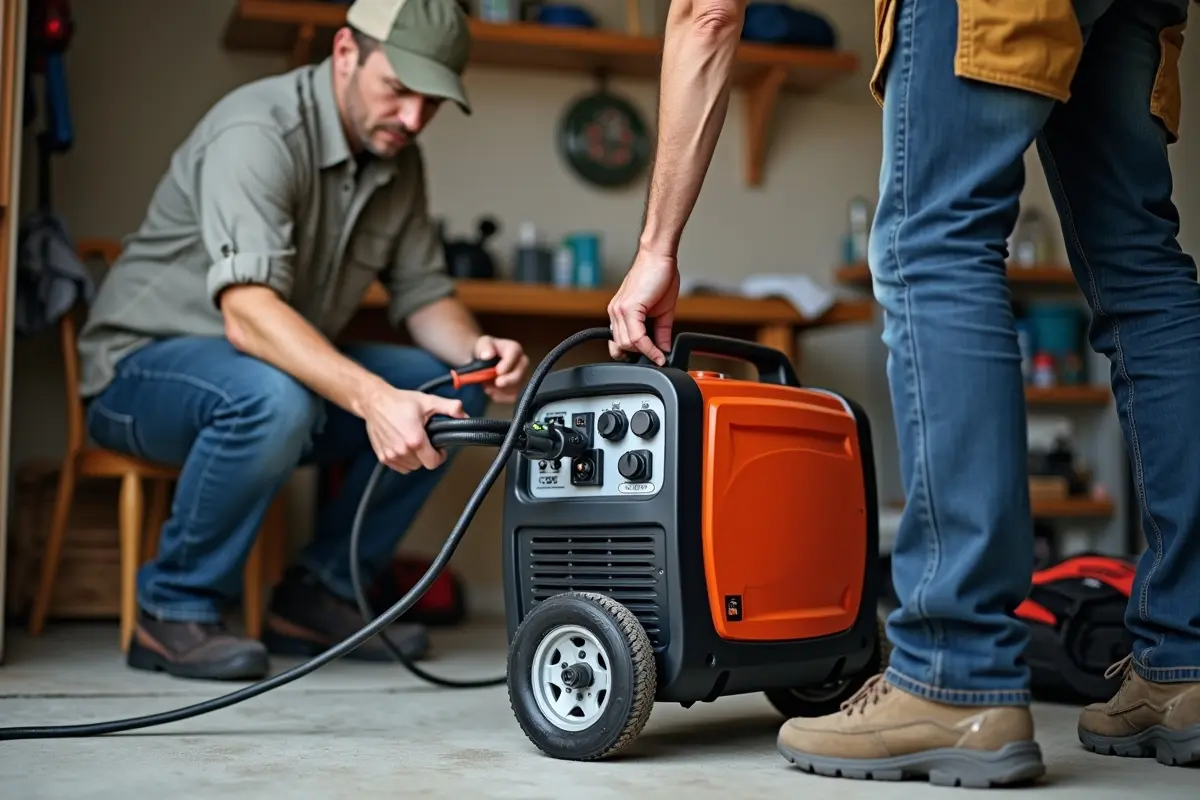
Portable generators are movable, fuel-powered units commonly used to power individual appliances via appropriate outdoor-rated extension cords or selected circuits using approved transfer equipment. They usually require manual setup, starting, monitoring, and refueling. They can be practical for short outages when the goal is to keep a refrigerator, freezer, lights, chargers, and a few small appliances operating.
The tradeoff is limited coverage and hands-on work. A portable model may not have enough capacity for central air conditioning, electric water heating, large electric ranges, or every load in the home at once. It also must be moved outside and positioned safely before use.
Standby Generators
Standby generators are fixed outdoor systems connected to the home through transfer equipment. When utility power fails, an automatic transfer switch can signal the unit to start and move designated circuits, or sometimes much of the home, onto backup power.
This can be especially useful when no one is home or when a household cannot safely handle portable equipment. Standby systems involve more planning. Placement, fuel supply, clearances, permits, electrical capacity, maintenance, and service access all matter. Their higher initial cost reflects the equipment and installation work, not just the generator itself.
Quick Comparison
- Startup: Portable units are manually started. Standby systems usually start automatically.
- Coverage: Portable units generally serve selected appliances or circuits. Standby units can serve several priority circuits or broader household loads.
- Fuel: Portable units require refueling. Standby units often use a connected natural gas or propane supply.
- Cost: Portable models tend to have lower upfront costs. Standby systems require a larger investment for installation and related equipment.
How To Choose The Right Type
Choose based on realistic outage conditions rather than the largest possible wish list. A portable unit may fit households with occasional short outages, a limited number of priority devices, and someone able to operate it safely. A standby system may be a good fit for frequent or extended outages, automatic-operation needs, or homes where water, drainage, medical support, or climate control is essential.
- List the appliances and systems that must stay on.
- Estimate how long outages usually last.
- Decide whether manual setup in poor weather is acceptable.
- Identify available fuel sources and storage limitations.
- Review the budget for equipment, connection work, and maintenance.
Sizing For Household Power Needs
Generator sizing begins with watts. Running watts are the power an appliance needs while operating. Starting watts are the temporary extra power motors may need at startup. Refrigerators, sump pumps, furnace blowers, well pumps, and air conditioners can have meaningful startup demand.
Create a load list of devices likely to operate simultaneously, add their running wattages, and then account for the largest starting requirement. Avoid choosing solely by square footage. Larger systems, homes with multiple HVAC units, and complicated electrical panels may require a professional load calculation.
Fuel Choices And Runtime
Gasoline is widely available but has storage and shelf-life considerations. Propane stores longer and can support portable or standby equipment. Natural gas can provide a continuous supply where service remains available, while diesel is common for some larger applications.
Runtime depends on fuel capacity, generator efficiency, and the electrical load being carried. Keep fuel only in approved containers and in accordance with manufacturer guidance and local rules. During widespread emergencies, fuel stations may be closed, crowded, or unable to pump fuel, so a backup plan should not assume easy access.
Installation And Electrical Connections
A generator should never be connected to a household wall outlet. This dangerous practice, often called backfeeding, can energize utility lines and endanger utility workers, neighbors, and household members. A transfer switch or an approved interlock arrangement helps isolate utility power and properly manage selected circuits.
Installation planning may also involve grounding, outdoor clearances, weather protection, fuel connections, permit requirements, and room for future service. Check applicable local requirements before making changes to electrical equipment.
Generator Safety Rules
Fuel-burning portable generators must operate outdoors, far from doors, windows, vents, garages, crawlspaces, and other enclosed areas. The carbon monoxide dangers associated with generators are severe because exhaust can build up quickly and cannot be seen or smelled.
- Install working carbon monoxide alarms on every level and near sleeping areas.
- Keep the unit dry without blocking ventilation or exhaust.
- Use properly rated, undamaged extension cords when cords are needed.
- Turn the generator off and let it cool before refueling.
- Keep children and pets away from operating equipment.
Preparing For A Power Outage
Store flashlights, batteries, water, shelf-stable food, medications, chargers, pet supplies, and paper copies of important contacts together. The steps for preparing for a power outage also emphasize planning for communication, food safety, and the needs of people who depend on medical equipment.
Make a written priority list of appliances, including garage door access, security equipment, internet gear, well pumps, and sump pumps. Every household member should know where emergency supplies are located and what to do if utility service fails.
Testing And Maintenance
A generator can develop problems while sitting unused. Before storm season, inspect for leaks, corrosion, damaged cords, blocked vents, nests, low oil, weak batteries, and stale fuel. Follow the owner’s manual for exercise schedules, filter changes, oil service, and fuel maintenance. Unusual noises, warning indicators, visible leaks, or failed starts deserve attention before an emergency. Testing equipment under controlled conditions is safer and more useful than discovering a problem during an outage.
Common Homeowner Mistakes
- Buying equipment without calculating essential loads.
- Assuming every appliance can run at once.
- Operating a portable generator in a garage, shed, porch, or carport.
- Refueling hot or running equipment.
- Skipping carbon monoxide alarm checks.
- Waiting for a storm to buy fuel, cords, or replacement batteries.
- Ignoring maintenance because the generator has not been used recently.
Final Planning Checklist
- Identify essential appliances and safety-critical systems.
- Review running and starting wattage needs.
- Create a fuel and runtime plan.
- Confirm safe placement and proper transfer equipment.
- Test carbon monoxide alarms and emergency supplies.
- Record a routine maintenance schedule and share the outage plan with the household.
Portable and standby generators can both play useful roles in home outage planning. The right choice depends on the home’s needs, the expected outage pattern, the available budget, and the ability to operate equipment safely. Proper sizing, safe connections, thoughtful fuel planning, and regular maintenance help turn backup power into a dependable emergency resource.
Conclusion
Choosing a home generator is about more than buying enough power. Homeowners should consider which systems are essential, how long outages may last, fuel availability, safe installation, and maintenance requirements. Portable generators can provide useful power for selected appliances, while standby systems offer greater convenience and automatic coverage.
Regardless of the type, proper sizing, outdoor placement, carbon monoxide protection, and approved electrical connections are essential. Planning these details before an outage can help households stay safer, protect important equipment, and maintain essential services when utility power fails.