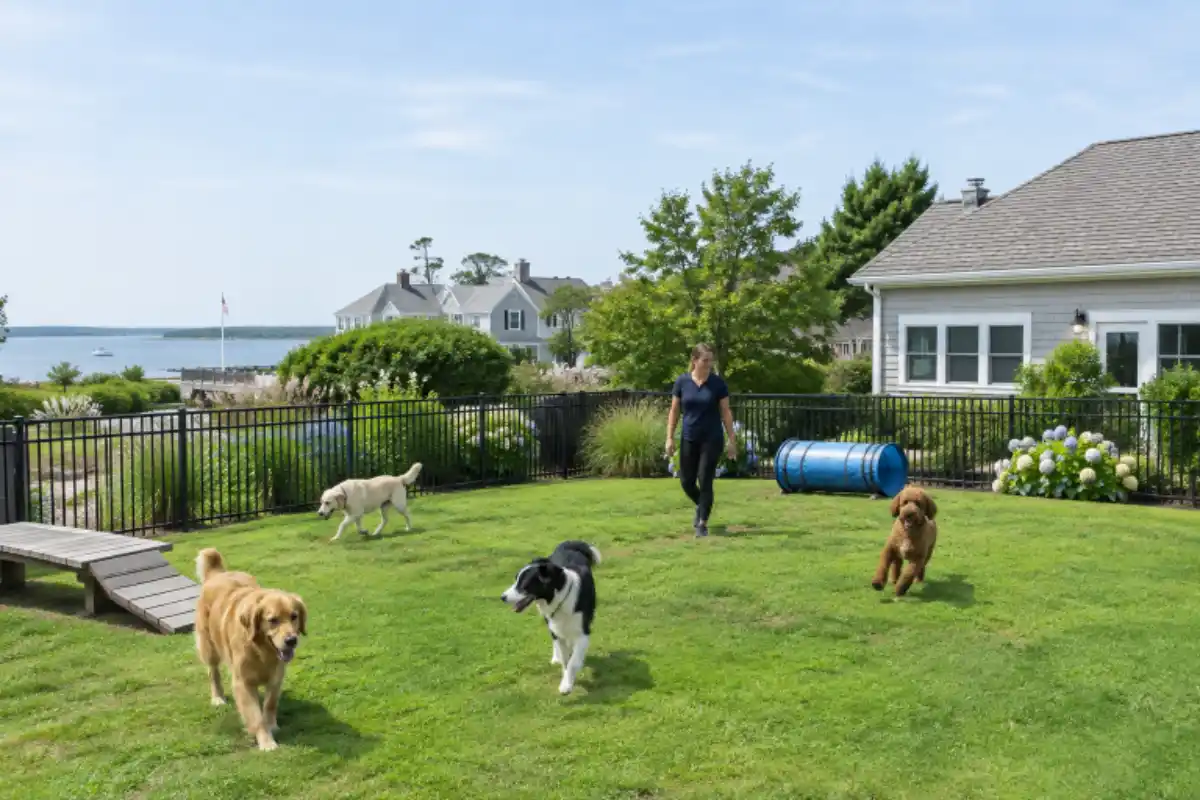
Whether you are heading away for a weekend, hosting visitors, or planning a longer trip from the East End, boarding can be easier on your dog when the transition is thoughtfully planned. Families looking for doggie day care near Southampton, NY, can use a short day visit as a practical way to help a dog become familiar with a new setting before an overnight stay.
Southampton-area dogs often have active routines shaped by beach walks, backyard play, neighborhood outings, and changing seasonal weather. A boarding stay brings different sounds, people, rest spaces, and schedules, so preparation helps the care team understand what makes your individual dog feel comfortable and secure.
Why Preparation Makes Boarding Easier
Some dogs settle into new environments quickly, while others need more time. Puppies, senior dogs, recently adopted dogs, shy dogs, and dogs with health concerns may need a more detailed plan. Consistent routines, honest communication, and a trial visit can reduce avoidable surprises. Veterinary guidance on boarding your pet also emphasizes planning ahead and sharing clear information with caregivers.
Start Planning Before Drop-Off Day
- Several weeks ahead: Compare boarding options, ask about availability, and schedule a tour or introductory visit if offered.
- One to two weeks ahead: Confirm vaccination records, medication needs, feeding instructions, and emergency contacts.
- A few days ahead: Keep meals, walks, bedtime, and bathroom breaks as consistent as possible.
- The day before: Portion food, label medications, and prepare a written care sheet.
- Drop-off day: Allow time for a normal walk and bathroom break, then keep the handoff positive and brief.
Check Health Records and Identification
Boarding facilities commonly require current health records to help protect every dog in their care. Ask the facility which vaccinations and documents it requires, and speak with your veterinarian if your dog has an ongoing medical condition or has recently been ill.
- Provide medications in original containers with clear dosage and timing instructions.
- Include your regular veterinarian’s name and phone number.
- Leave an emergency contact who can make decisions if you cannot be reached.
- Update your dog’s microchip details and identification tag before the stay.
- Explain any food sensitivities, mobility limitations, or handling concerns.
Choose Care That Fits Your Dog
The best setting is not identical for every dog. Ask how the facility adapts its day to individual needs rather than assuming every guest should participate in the same activities.
- Social dogs: Ask how playgroups are formed, monitored, and adjusted.
- Reserved dogs: Ask whether private play, individual walks, or quiet rest periods are available.
- High-energy dogs: Ask about exercise, enrichment, and planned downtime.
- Senior dogs: Confirm support for mobility, medication timing, temperature comfort, and restful sleep.
- Anxious or medically vulnerable dogs: Ask how staff respond to reduced appetite, pacing, changes in bathroom habits, or unusual behavior.
Questions to Ask Before Booking
- Where will my dog sleep, and what is the overnight supervision plan?
- How often do dogs go outside, rest, eat, and receive enrichment?
- How are dogs grouped for play, and what happens if my dog prefers not to join?
- How are medications stored and administered?
- What is the plan if my dog needs veterinary attention?
- When and how will I receive updates during the stay?
- What should I bring, and which items should I leave at home?
- What are the check-in, pickup, late-pickup, and cancellation policies?
Try a Short Visit and Pack With Purpose
A half-day visit, day care session, or one-night practice stay can help reveal whether your dog needs a quieter plan, different feeding arrangements, or more time to settle. Afterward, note whether your dog returns home normally tired or seems unusually fearful, unsettled, or reluctant to eat. Share those observations before a longer stay.
Bring your dog’s regular food, labeled in daily portions if the facility permits, along with approved treats, prescribed medications, a leash or harness, current records, and a short written care sheet. If allowed, a washable blanket or a familiar comfort item may be useful. Leave valuable toys, unsafe chews, bulky belongings, and items your dog may guard or destroy at home.
Create Clear Care Instructions
Keep the care sheet short, specific, and easy to scan. Include meal portions and times, normal bathroom habits, known cues, favorite activities, fears, sleep preferences, medication directions, and signs your dog may be overwhelmed. Explain what to do if a dose is missed and who can authorize emergency veterinary care.
Keep Travel and Handoff Calm
Use a secure crate or suitable vehicle restraint for the drive, and give your dog a bathroom break before departure. For longer trips, bring water and keep records accessible. The CDC recommends updated identification and vaccinations, as well as secure travel arrangements that prevent pets from moving freely around the vehicle. Review its guidance before traveling with your dog.
At drop-off, give staff accurate information about your dog’s behavior, health, and previous boarding experiences. Avoid a long, emotional goodbye. A relaxed departure helps staff begin the settling-in process without adding extra excitement or tension.
How to Support an Anxious Dog
Practice short separations before the boarding date and use reward-based training for calm greetings, leash walking, and settling on a bed or mat. Ask whether private rest or one-on-one activity is available if group play is stressful. Discuss significant anxiety with your veterinarian before the stay, and never provide calming medication unless it has been prescribed with instructions for your dog.
What to Expect After Pickup
Your dog may be extra sleepy, thirsty, excited, or eager for attention after returning home. Resume normal meals, walks, and bedtime routines, while keeping the first evening quiet if your dog seems tired. Contact a veterinarian if you notice severe or persistent vomiting, diarrhea, breathing trouble, weakness, pain, refusal to drink, or a major behavior change.
Common Questions About Dog Boarding
How far ahead should I plan?
Planning several weeks ahead provides time to compare care options, collect records, complete a trial visit, and arrange backup contacts. Popular travel periods may require earlier booking.
Should my dog bring food from home?
When permitted, familiar food can help keep your dog’s routine consistent and make it easier to follow their usual feeding plan.
What if my dog does not like other dogs?
Ask for private play, individual walks, quiet rest, or separation from group activities. A dog does not need to join group play to have a successful boarding stay.
Final Boarding Checklist
- Health records and identification are current.
- Food and medications are labeled with simple instructions.
- Emergency contacts and veterinarian details are confirmed.
- The care team knows your dog’s routine, triggers, and preferences.
- Safe transportation, drop-off, and pickup arrangements are in place.
Conclusion
Thoughtful preparation cannot eliminate every unfamiliar moment, but it provides your dog with a clearer routine and gives caregivers the information they need to provide attentive care. With the right setting, a calm handoff, and a well-packed care plan, boarding can become a manageable part of life for dog families in Southampton, New York.