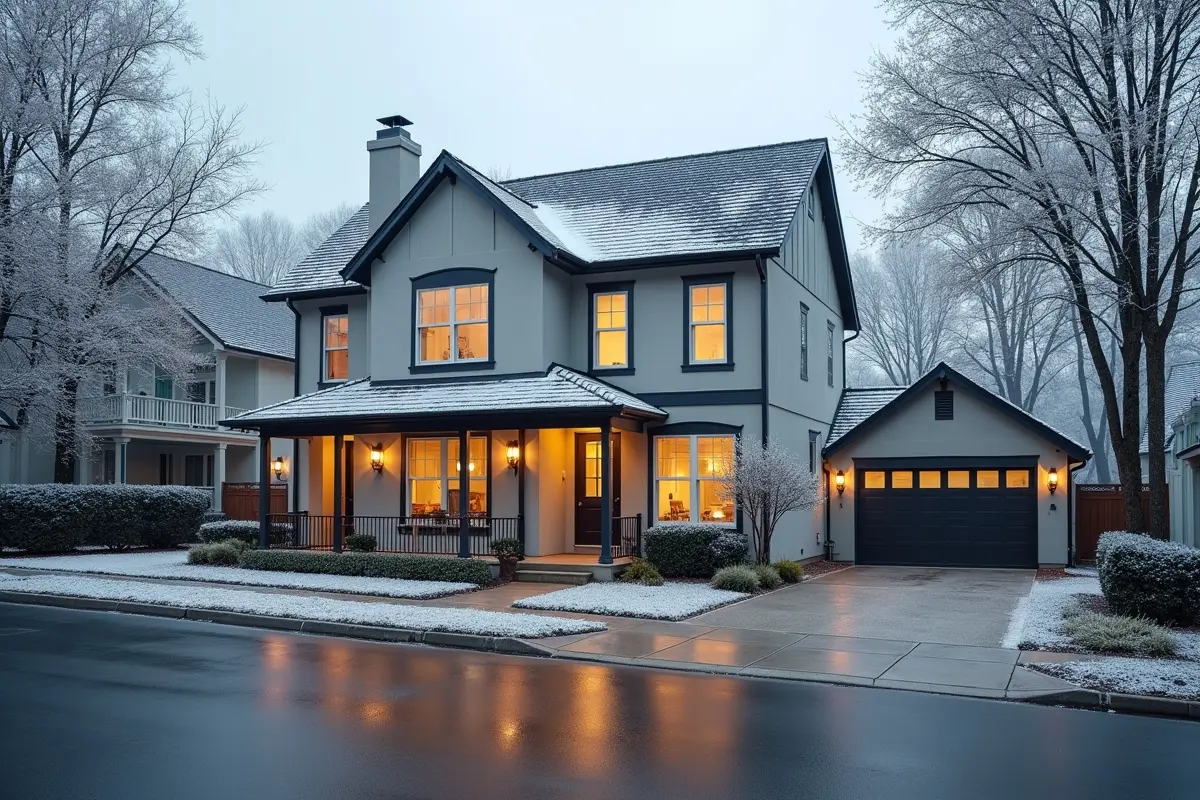
Buying in Winter Park, Colorado, means comparing more than square footage, finishes, and mountain views. A condo near recreation, a townhome with a garage, and a detached home on a larger lot can each create a very different day-to-day ownership experience, especially when snow, seasonal travel, maintenance, and vacant periods are part of the picture.
For buyers weighing properties across Winter Park, Fraser, Granby, and Grand Lake, Winter Park real estate agent Laura Zietz offers home-search tools, valuation resources, and local real estate guidance through her website. Laura Zietz works with buyers and sellers throughout Grand County, and her experience with mountain properties can help buyers evaluate practical factors that listing photos may not show, including access, association responsibilities, and neighborhood fit.
Why Property Type Matters in Winter Park
Mountain ownership looks different in every season. A steep driveway, limited winter parking, shaded walkways, wind exposure, and the distance to services may have little impact during a quick summer showing but become important during a snowy week or a longer vacancy. Buyers should compare the entire ownership experience, not just the asking price, number of bedrooms, or view corridor.
Start by defining the purchase purpose. Is the property intended to be a primary residence, a weekend retreat, a future retirement home, or a rental that will also be personally enjoyed? Then estimate annual use, list nonnegotiables such as a garage or private outdoor space, and set a monthly limit that includes housing costs beyond the mortgage.
Understanding the Main Property Types
Condos
Condos often appeal to buyers who want a lock-and-leave property. Exterior maintenance, common-area snow removal, and some utilities may be handled through the association. That convenience can be valuable for owners who live elsewhere, but HOA dues, insurance arrangements, reserve funding, rental restrictions, and possible special assessments require close review.
Townhomes
Townhomes can provide a middle ground. Many offer private entrances, attached garages, patios, multiple levels, and more separation from neighbors than a typical condo. However, townhome ownership is not inherently low-maintenance. The governing documents should clearly identify whether the association or owner is responsible for roofs, siding, decks, windows, driveways, and landscaping.
Detached Mountain Homes
Detached homes may provide more privacy, storage, lot space, and flexibility. They can also place more responsibility on the owner. Roof care, driveway plowing, drainage, exterior repairs, heating system service, and monitoring during vacant periods may all require individual coordination. This option can work well for buyers who value control and have a reliable local maintenance plan.
Compare the Full Cost of Ownership
Create a 12-month estimate for every serious contender. Include mortgage principal and interest, property taxes, insurance, HOA dues, heating and electricity, water or sewer, trash, internet, snow removal, routine repairs, security monitoring, and any property-management or cleaning costs. A home with no association dues may still require substantial seasonal services, while a condo with a modest price may carry significant monthly dues.
Review HOA Documents Before You Commit
For a condo or townhome, the association documents are part of the property. Read the declaration, bylaws, rules, budget, reserve information, meeting minutes, and notices of planned projects. Ask about recent dues changes, pending assessments, insurance deductibles, rental caps, pet policies, parking rules, and snow-storage requirements. Colorado buyers can also use the state’s guidance on purchasing a home in an HOA to understand the documents and potential costs that warrant attention.
Look Beyond the View and Inspect Mountain Systems
During showings, evaluate road grade, drainage, sunlight, wind, parking, cell coverage, internet reliability, and access for emergency vehicles and service providers. Consider the drive from the property to groceries, medical care, schools, recreation, and major roads. Ask how the location feels during busy visitor periods as well as quieter months.
A qualified inspection should focus on mountain-specific details: roof condition and snow-load design, flashing and ice-dam risk, insulation, windows, doors, heating equipment, fireplaces, foundation drainage, retaining walls, decks, stairs, railings, electrical capacity, and backup-power readiness. If a property has a well, septic system, or shared utility arrangement, obtain the relevant records and professional advice.
Insurance and Rental Plans Need Early Attention
Request insurance estimates for the exact address before the inspection period ends. Coverage and pricing can vary with property condition, roof age, wildfire exposure, vacant-home use, heating systems, and whether the home will be rented. A licensed insurance professional can explain the differences among primary-home, second-home, condo, landlord, and short-term-rental coverage.
If rental income is part of the plan, verify local regulations and HOA rules for that exact property. Use conservative occupancy assumptions, then subtract management, cleaning, utilities, lodging taxes, platform fees, repairs, and insurance. Confirm that the intended rental use is permitted by the association, insurer, and lender.
Use a Simple Comparison Scorecard
After each showing, score the property from one to five in these categories:
- Purchase cost: Does the price fit the long-term budget?
- Monthly cost: Are taxes, dues, utilities, and insurance manageable?
- Maintenance: How much work will fall to the owner?
- Winter access: Can the property be reached and used safely after heavy snow?
- Usefulness: Does the layout align with the buyer’s actual plans?
- Resale appeal: Will parking, storage, access, and layout appeal to future buyers?
Questions to Ask Before Making an Offer
- Who clears the driveway, walkways, and shared parking after a major storm?
- What major systems have been replaced, and when?
- What ownership costs have changed recently?
- Are there any known access, drainage, utility, or contractor availability concerns?
- What restrictions apply to rentals, pets, remodeling, and outdoor equipment?
Final Decision Checklist
Compare at least three similar properties, match the property type to the intended use, calculate annual ownership costs, inspect winter access and key systems, review HOA records, obtain insurance estimates, and plan for care during vacant periods. In Winter Park and the surrounding Grand County communities, the strongest choice is usually the home that remains practical in every season, not just the one that makes the best first impression.