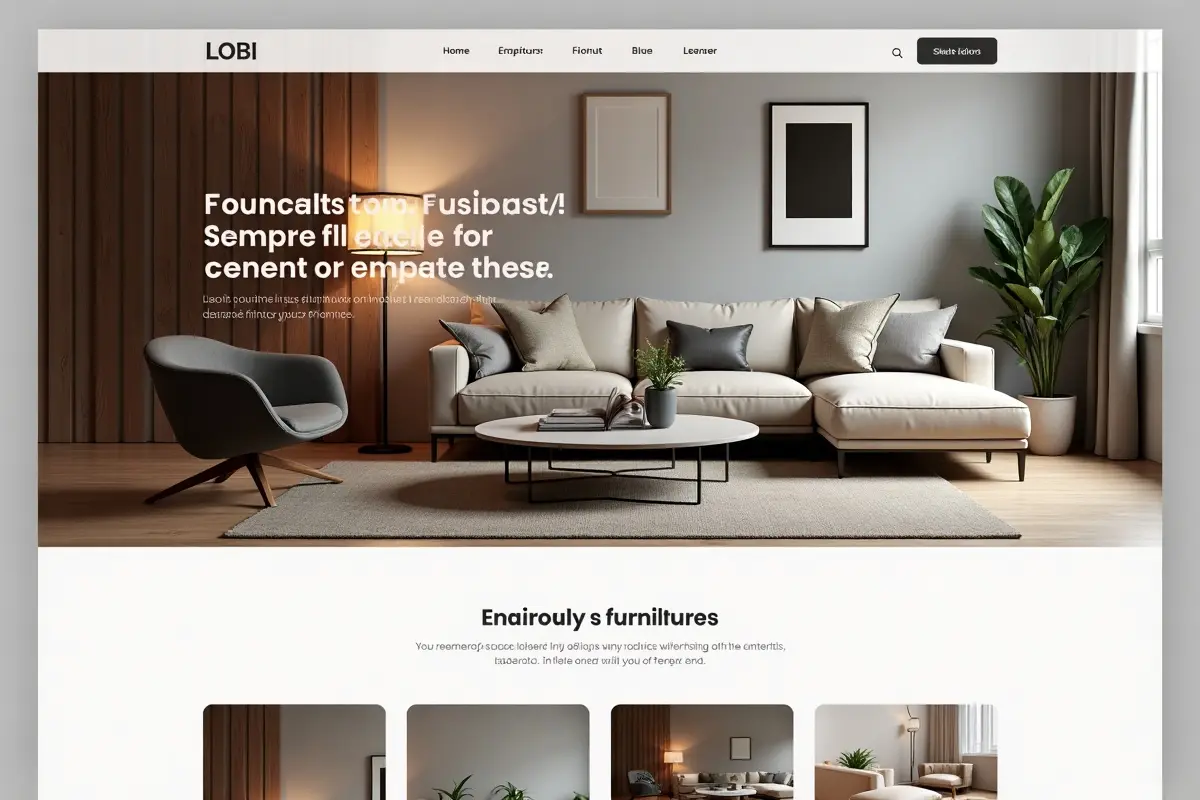
In today’s fast-paced digital environment, businesses must stay ahead with strategies that both captivate and convert. The right landing page can make a memorable first impression and guide users towards meaningful action. Adopting the latest innovations, such as those featured in landing page UI design, is crucial for maintaining a competitive edge in 2026.
Landing page experiences have evolved to prioritize not just aesthetics, but also intuitive functionality and personalization. Reducing distractions and focusing attention on core value propositions are principles underpinning many modern designs. As attention spans dwindle, concise messaging paired with interactive and adaptive layouts ensures content remains effective and engaging.
Designers are leveraging advanced technology to meet user expectations. From artificial intelligence to mobile-first layouts, current best practices center on user experience. The move toward cleaner designs, dynamic adaptations, and micro-interactions demonstrates that modern landing pages are no longer static billboards but powerful tools for engagement and conversion.
This article explores each of these trends in detail, highlighting practical ways to integrate them for higher performance and improved user satisfaction.
Minimalist Design: Less is More
Minimalist design remains the foundation for effective landing pages in 2026. By stripping away unnecessary visuals and features, designers can direct user attention exactly where it matters. Whitespace is not just an aesthetic choice but a fundamental tool for separating key actions and messages. This simplicity ensures visitors are not overwhelmed, ultimately increasing their likelihood of engaging with calls to action. Studies have confirmed that minimalistic designs improve usability and conversion rates by reducing distractions and cognitive friction.
Navigation also plays a significant role in minimalism. Clean, intuitive menus enhance the pathway to conversion, while distinct buttons make calls to action easy to find and act upon. The result is a smoother, more comfortable user journey from arrival to conversion.
Bold Typography and Concise Copy
With the continuing trend of shrinking user attention spans, the importance of bold typography and carefully crafted copy cannot be underestimated. Oversized headlines make the main offer unmistakable, anchoring key value propositions in the visitor’s mind. Paired with concise, direct statements, they deliver information quickly without unnecessary jargon or fluff. This trend is especially prominent in modern landing pages focused on lead generation and product promotion, as it maximizes the impact of each word.
Short, digestible text blocks also aid in scanability. Readers can process key details and decide on the next action in seconds. This efficient communication style not only enhances user experience but also improves results for brands looking to convert casual browsers into leads and customers.
AI-Driven Personalization
Artificial intelligence is transforming landing page design from a static experience into a dynamic, user-centric one. Today’s best practices involve using AI to analyze visitor data and behaviors in real time. This analysis powers content that adapts according to each user’s needs and interests, such as showing tailored product suggestions or altering calls to action based on location or browsing history.
Research from leading digital marketing analysts shows that implementing AI personalization can boost landing page conversions by up to 40 percent. Brands that deploy AI-driven personalization not only increase engagement but also foster loyalty by making each user feel understood and valued.
Interactive Elements and Micro-Interactions
Landing pages in 2026 are increasingly characterized by interactivity. Animated features, hover states, interactive forms, and enticing micro-interactions enrich the user experience, providing instant feedback and encouraging deeper exploration. These subtleties, from a button lighting up to a smooth transition as users scroll, make digital experiences feel tangible and rewarding.
Thoughtfully designed interactive elements do not distract from the call to action; instead, they guide visitors, acknowledge user behavior, and clarify pathways to conversion. When done well, these touches become hallmarks of intuitive and delightful landing pages.
Mobile-First Design
Given that over 75 percent of landing page traffic comes via mobile devices, a mobile-first approach is now essential, not optional. Responsive design ensures every element looks and works perfectly on any screen size, from large monitors to smartphones. Speed is fundamental as well, with leading landing pages loading in under 1 second; pages that don’t load in under 1 second risk losing more than half of potential conversions.
Mobile-first priorities include touch-friendly navigation, speedy image loading, and vertical content stacking. Successful brands are continually optimizing not just for screens, but for how people actually use their devices when making decisions and purchases in real time.
Conclusion
Adopting the latest landing page design trends is vital for any organization eager to maximize digital marketing success in 2026. Minimalism, bold messaging, advanced personalization, interactive elements, and mobile-first thinking are the pillars supporting forward-thinking landing page strategies. Integrating these principles will ensure your landing pages not only attract attention but also foster trust and deliver lasting results for your brand.