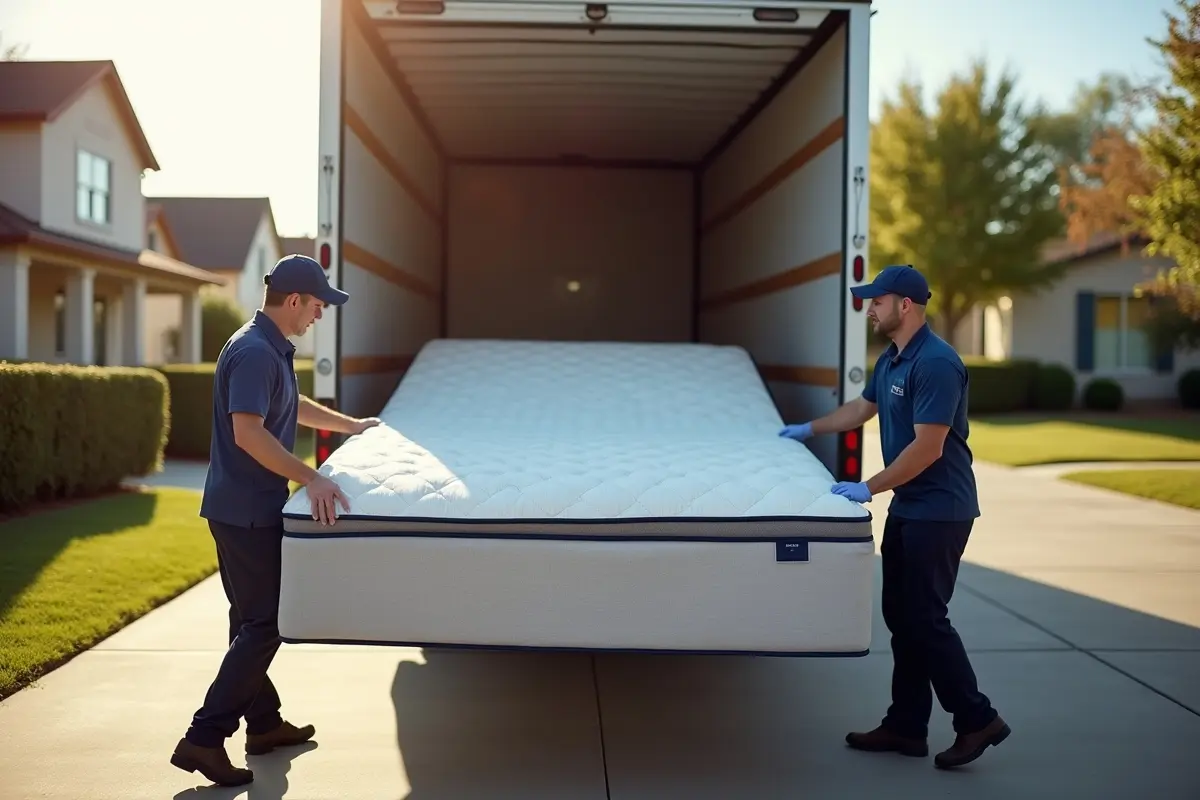
Dealing with large household items can feel overwhelming, especially when your goal is to protect the environment. Whether you’re clearing out an attic or upgrading your furniture, making sustainable choices for each item goes a long way. Responsible actions like recycling, donating, or seeking green disposal solutions help reduce waste sent to landfills.
If you need to dispose of a mattress or a similar bulky item, there are convenient services available that prioritize sustainability. Adopting environmentally conscious strategies makes it easier for everyone to contribute to a healthier home and a healthier planet.
Learning to properly manage bulky waste not only reduces environmental impact but also benefits your local community. By exploring donation, resale, and upcycling opportunities, you ensure reusable materials continue to serve others. On the other hand, specialized collection services and recycling programs responsibly handle items that are no longer fit for use. The following guidelines will help you choose the most sustainable approach for your next big declutter.
Contents
Donate or Gift Usable Items
Large household goods that are still in working order can be passed on to others, helping to meet local needs while promoting sustainability. Charities such as Goodwill, The Salvation Army, and Habitat for Humanity accept furniture, electronics, and appliances and may even offer furniture pickup services for added convenience.
Online platforms like Freecycle, Nextdoor, and Facebook Marketplace are also excellent places to advertise items for free to people in your neighborhood. Transferring these goods to a new home not only keeps them out of the landfill but also supports those in need.
If you’re unsure where to start with donations, consult your city’s waste services portal or sites like the U.S. Environmental Protection Agency recycling and donation guide for lists of reputable organizations and local collection options.
Sell or Trade Bulky Items
Many bulky items, such as couches, dressers, and refrigerators, retain value even as second-hand goods. Online marketplaces, including Craigslist, eBay, and OfferUp, are popular avenues for selling unwanted pieces directly to other users.
At local consignment shops, you may also find buyers looking for affordable, gently used items. Trading goods with friends or through community exchange groups means your possessions stay useful without requiring new resources for manufacturing. This not only helps you recoup some value, but it also extends the product’s lifespan, directly reducing waste.
Repurpose and Upcycle
With a bit of creativity, many old items can find a new life elsewhere around your home. For instance, a wooden door or table can become a headboard or wall-mounted shelf, and storage bins can be transformed into garden planters.
Upcycling projects offer both environmental and aesthetic rewards. Repurposing not only supports sustainable living but also adds unique, personalized features to your home that store-bought items can’t match. Look for inspiration on major DIY websites or home improvement forums; transforming rather than tossing is always the greener choice.
For more upcycling ideas, The New York Times offers guides and design inspiration to spark your creativity and encourage responsible reuse.
Recycle Properly
Some large household items are composed of recyclable materials such as metals, plastics, and wood. Disassembling and recycling these parts keeps valuable resources in circulation rather than in landfills. It’s crucial to research what your local recycling program accepts—many facilities don’t process certain electronics or furniture materials.
Some municipalities host special collection events for these items, or you may locate a drop-off center equipped for large-scale recycling. If in doubt, contact your city’s waste management office or consult online recycling databases.
Utilize Take-Back or Trade-In Programs
Several manufacturers and retailers run take-back or trade-in initiatives for items like mattresses, appliances, and electronics. Many stores will take back your old item when you upgrade, ensuring it’s recycled or disposed of safely.
Some even reward you with gift cards or discounts. Checking with the original manufacturer or visiting major retailer websites can reveal opportunities to offload your items in an environmentally friendly way, without the hassle of private transport or disassembly.
Participate in Community Swap Events
Neighborhood swap events are excellent for reducing waste while connecting with others in your neighborhood. Local governments, environmental organizations, or community centers often coordinate exchange days where participants bring unwanted goods and take home new-to-them treasures.
These events slow the consumption cycle and foster a reuse mindset, making them a cornerstone of eco-friendly waste management. Stay informed about upcoming events through city websites or local bulletin boards.
Hire Eco-Conscious Junk Removal Services
When donation or repurposing isn’t feasible, look for junk removal companies committed to green practices. These businesses often work with recycling facilities and nonprofits to salvage materials, ensuring minimal landfill contributions.
Before hiring, inquire about their recycling rates and partnerships to confirm they align with your sustainability goals. Choosing a certified eco-friendly service provides peace of mind when clearing bulky home goods.
Dispose of Hazardous Bulky Waste Properly
Bulky household waste containing hazardous materials—including refrigerators, electronics, or certain paints and chemicals—requires special handling. Local hazardous waste collection centers are specifically equipped to dismantle and treat these items, preventing environmental contamination.
Never dispose of dangerous bulk waste with regular trash or illegally dump it, as improper disposal poses serious safety and legal risks. Always contact your municipal waste authority to find designated drop-off locations.
Eco-friendly bulky item management doesn’t need to be difficult—it’s about using available resources and planning. By prioritizing responsible action at every stage, you’ll declutter your space, help your neighbors, and do your part for the planet’s well-being.
Conclusion
Handling bulky household items responsibly doesn’t have to feel complicated—especially when you have a variety of eco-friendly options at your fingertips. Whether you choose to donate, sell, repurpose, recycle, or rely on green-minded services, each step you take helps reduce waste and conserve valuable resources.
By committing to sustainable habits, you not only clear your home of unwanted clutter but also support your community and contribute to a cleaner, healthier environment. With a bit of planning and awareness, anyone can make greener choices that benefit both their household and the planet for years to come.