Maintaining comfortable living conditions goes beyond relying on your thermostat for temperature adjustments. Consistent upkeep of your HVAC system is one of the most effective ways to ensure reliable comfort and healthy air inside your home.
Routine care not only keeps your system running efficiently but also helps prevent potential issues before they affect your living environment. As homes grow increasingly energy-efficient and airtight, attention to proper air conditioning system care becomes even more significant for upholding indoor well-being.
Whether you live in a newly built home or an older property, both HVAC system performance and the air you breathe rely on attentive maintenance. Understanding the critical reasons for regular inspections and cleaning can greatly improve both comfort levels and household safety.
Filters, ducts, and all HVAC components have a direct influence on air quality and temperature stability. Proper service ultimately protects your investment in home comfort while supporting the health of everyone under your roof.
It is important to address issues quickly when your cooling system does not operate as expected. For example, scheduling air conditioning repair at the first sign of trouble can help avoid larger disruptions to home comfort or air quality down the road.
The Importance of HVAC Maintenance
Timely maintenance of your HVAC system underpins not only comfort but cost-efficiency as well. When filters or ducts clog, airflow is restricted, which forces the system to work harder. This increases strain, accelerates wear, and raises energy costs.
Furthermore, without regular service, potential hazards such as carbon monoxide leaks or electrical faults may go undetected. Preventive maintenance brings peace of mind, along with savings and reliability. Checking components, cleaning dust, and making adjustments are all part of keeping your system running at its best.
Improving Indoor Air Quality
Your HVAC system acts as both a deliverer of comfort and a crucial guardian of your indoor air. As air circulates through filters and ductwork, allergens like dust, pet dander, and pollen can accumulate and then redistribute throughout your home. According to the EPA, indoor air can be two to five times more polluted than outdoor air. Consistent filter changes and regular duct cleaning dramatically reduce the presence of these contaminants, supporting healthier breathing and reducing allergic reactions.
Enhancing Energy Efficiency
A well-maintained HVAC system does not have to fight clogged filters or drag against dust-laden components. Instead, it operates smoothly and efficiently. This means your heating and cooling system uses less power to produce the same results, contributing to lower monthly utility bills.
Checking refrigerant levels, calibrating thermostats, and ensuring all parts move freely can further optimize efficiency. The U.S. Department of Energy advises that proper HVAC maintenance can cut energy use by up to 15 percent.
Extending System Lifespan
Every mechanical system has a lifespan, but diligent HVAC maintenance can help stretch yours far beyond the average. Small issues like loose connections or blocked vents, if unnoticed, can escalate into major repairs.
Regular check-ups help catch these problems in their early stages, which reduces repair costs and limits downtime. Over time, this reduces the frequency of expensive replacements and helps your system stay operational well beyond its expected years.
Preventing Health Hazards
Neglecting HVAC care puts you at risk for potential health hazards. Damp and dark environments inside ducts can harbor mold or bacteria, which the system can then circulate throughout your home. Proper maintenance uncovers and resolves these hazards before they compromise family health.
In addition, systems that are not monitored may develop leaks or mechanical failures that can contribute to unhealthy conditions, such as dangerous humidity or carbon monoxide exposure.
Recommended Maintenance Practices
Following these key practices helps keep your system reliable all year:
- Change air filters frequently: Generally, replace every one to three months based on usage and household factors.
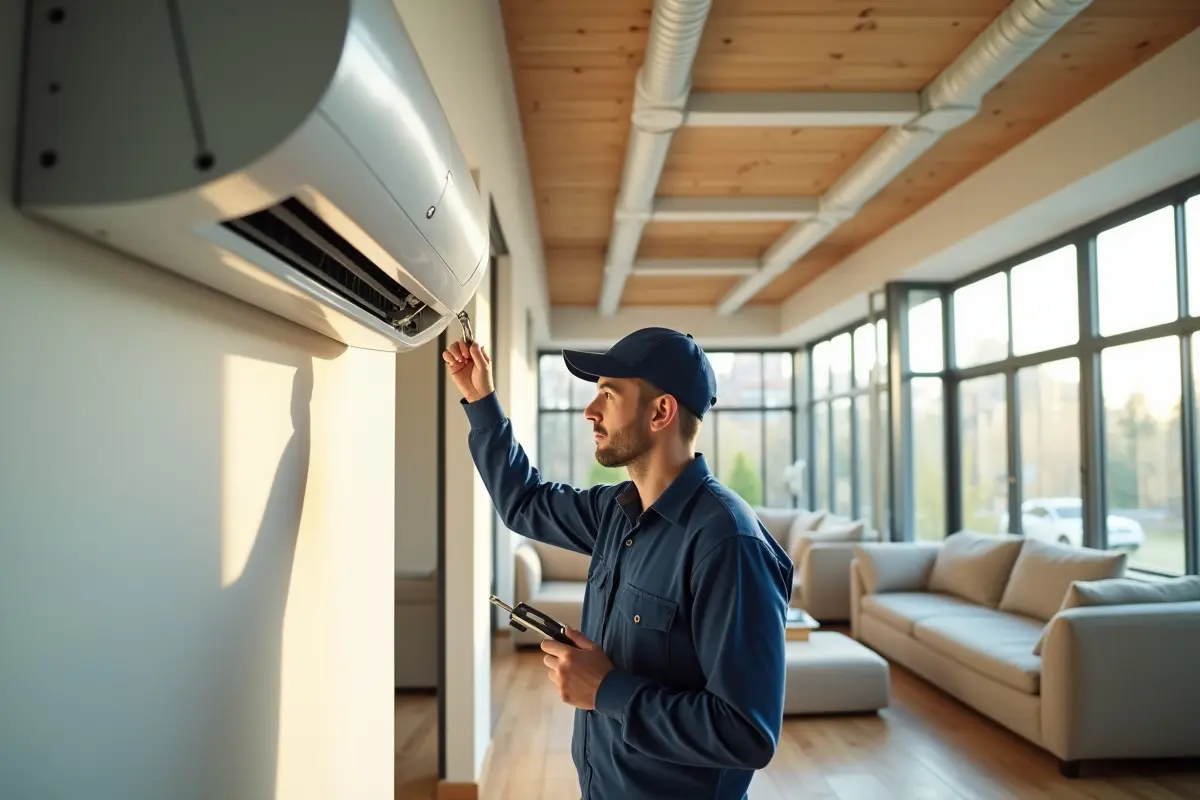
- Schedule professional inspections: Certified technicians should service your HVAC annually, identifying concerns you might overlook.
- Clean ductwork regularly: Dust and debris can build up over time, impacting both system efficiency and air quality.
- Monitor indoor humidity: Use humidifiers or dehumidifiers as needed, keeping relative humidity between 30 and 50 percent to prevent mold and encourage comfort.
- Keep vents unblocked: Ensure that furniture or curtains do not block airflow from vents throughout the home.
Conclusion
Taking a proactive approach to HVAC care is central to maintaining a healthy, comfortable home environment. Regular filter changes, annual professional servicing, and attention to humidity levels go a long way toward optimizing system performance and indoor air quality.
In addition to boosting comfort and extending your HVAC system’s lifespan, these practices can protect your investment and safeguard the well-being of everyone inside your home. With mindful maintenance and timely repairs, you ensure that your HVAC system supports your lifestyle season after season.