Fall usually means busier days, shorter evenings, and a yard that doesn’t take care of itself. Your grass grows more slowly, leaves start collecting, and small problems that didn’t matter in summer suddenly need attention before winter sets in. If you don’t have much time, keeping your lawn in good shape can feel like another thing on your list. The good news is that fall maintenance doesn’t have to be overwhelming or time-consuming.
Here’s what you can do to keep your lawn healthy and ready for the colder months ahead.
Start With a Quick Lawn Inspection
A fast walk-through helps you understand your yard’s needs before you jump into a full lawn maintenance routine. Look for thinning areas, patchy spots, compacted soil, or signs of lawn diseases. Doing this upfront keeps you from wasting time on tasks that aren’t necessary and helps you focus on what truly matters for healthier soil and grass.
If you live in a place where fall brings steady leaf drops, like in Raleigh, you may notice early buildup around your yard. In that case, you can rely on professional leaf removal services Raleigh to stay ahead of seasonal cleanup when schedules get tight.
As you inspect your yard, watch for uneven grass height, leftover summer weeds, or signs of water stress from the hotter months. Quick observations now save you from bigger problems later.
Clean Up Leaves and Yard Debris
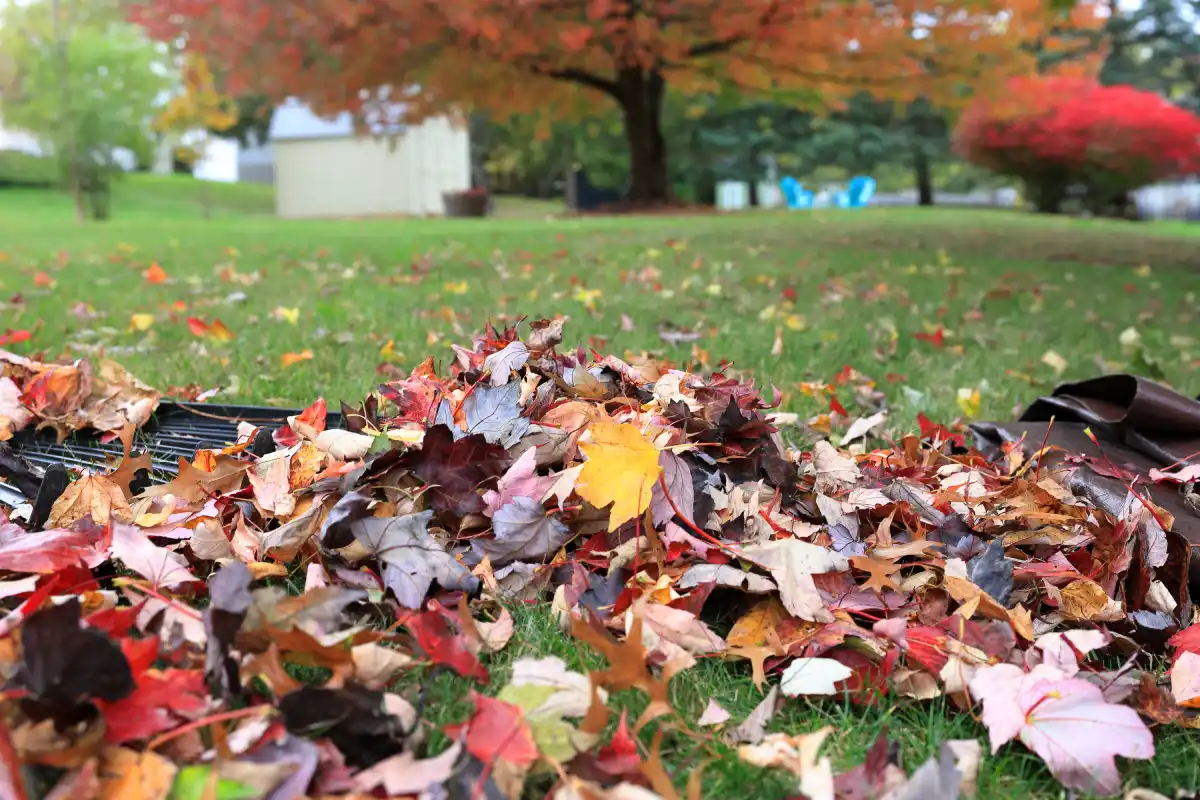
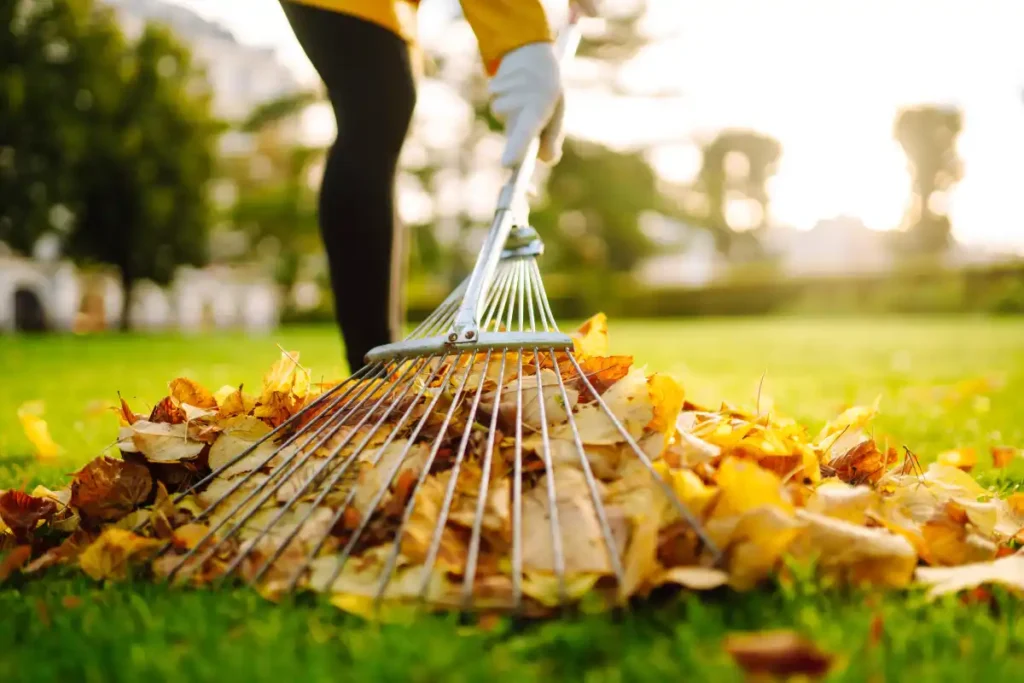
Leaf piles might look harmless, but they can smother cool-season grasses as they prepare for winter. A thick layer blocks sunlight, holds moisture, and encourages fungal lawn diseases. Clearing leaves weekly (even in smaller batches) keeps the process manageable. If you prefer DIY lawn care, a leaf vacuum or a simple rake works fine, especially if you do short sessions instead of a long weekend haul.
You don’t have to remove every leaf, though. Mulching them with a mulching mower creates tiny pieces that break down faster and add nutrients to the soil. This also improves soil health and supports microbial activity without extra effort from you.
While you’re cleaning up debris, pay attention to storm drains near your property. Keeping them clear prevents clogs and keeps runoff from pushing leaves or lawn clippings back into your front yard.
Adjust Your Mowing Height for Fall Growth
Grass grows more slowly in the fall, but it still needs proper mowing practices to stay healthy. Aim for a mowing height that supports root development without scalping your lawn. For most cool-season grasses, such as tall fescue, perennial ryegrass, and Kentucky bluegrass, a cutting height of around 2.5 to 3 inches works well this time of year. This range helps your lawn absorb sunlight and maintain stronger root systems going into colder months.
Keep blades on your lawn mower sharp to avoid tearing grass blades. Torn edges lose moisture faster and increase the risk of lawn diseases. Maintaining the right grass height also prevents weed seeds from settling easily, supporting better long-term weed control.
If you grow warm-season grasses, keep the grass slightly higher until growth slows down. These grass types enter dormancy differently, so giving them a bit more height helps protect the crown through winter cool-downs.
Overseed Thin Spots With the Right Grass Seed
Fall is one of the best times to overseed, especially if your lawn struggled during the summer heat. Soil temperatures in fall support fast germination, and cooler air helps new grass varieties establish without stress. A seed spreader makes application easier and saves time if you’re trying to fill multiple thin areas at once.
Before choosing grass seed, make sure it matches your lawn’s conditions. Look at the seed tag for details on grass varieties and purity. If you live in the transition zone, cool-season turfgrasses often perform well because they stay green longer into fall. Fine fescue and tall fescue are common choices thanks to their durability and shade tolerance.
Keep the soil lightly moist after overseeding. Water quality also matters, so try to avoid overwatering if your yard already has natural moisture during the season.
Manage Weeds Before Temperatures Drop Further
Fall weeds can spread rapidly if left unattended, especially broadleaf weeds that thrive in cooler conditions. If you spot early growth, take care of it right away. A quick approach to weed control keeps them from overtaking sparse areas and competing with new grass seed.
Staying ahead of weeds also reduces the need for heavy treatments later and keeps your lawn maintenance balanced. If your yard has areas damaged by dog urine or summer foot traffic, target those sections first since weeds love weak spots.
Water Smartly As the Weather Cools
Even though temperatures drop, your lawn still needs consistent moisture. You don’t need a heavy irrigation schedule, just steady watering that helps roots grow deeper. Focus on long, infrequent watering rather than short daily bursts. This encourages better soil drainage and keeps the lawn from becoming too soggy.
If you use rain barrels, fall is a good time to check their condition and ensure the collected water is clean. Cold snaps can damage hoses and sprinklers, so regular maintenance of your sprinkler system helps prevent problems as winter approaches.
Watch for signs of water stress, especially in newly overseeded areas. Dry soil slows germination and weakens early root development.
Wrapping Up
A strong fall routine sets the tone for your lawn’s long-term health. By taking manageable steps, like adjusting mowing height, clearing leaves, overseeding thin spots, and improving soil health, you give your yard what it needs before winter arrives. You don’t need hours each week to stay on top of things. Consistent, simple habits keep your lawn resilient and ready for spring growth.