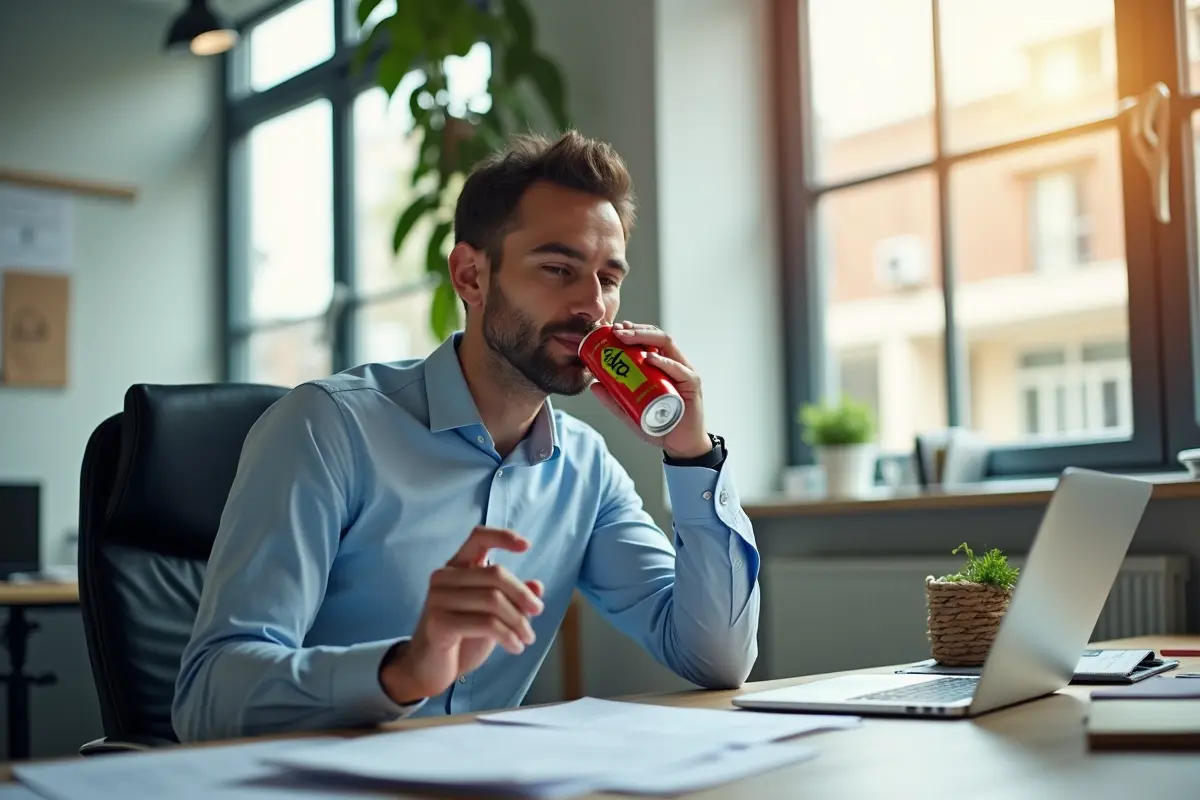
In today’s digitally connected, always-on world, energy drinks have surged as a quick and portable way for consumers to keep up with unrelenting demands. The influence of brands and entrepreneurs, such as Manoj Bhargava Living Essentials, has helped shape the modern energy drink landscape, cementing their status among students, professionals, and athletes alike. These beverages claim to sharpen alertness, combat fatigue, and elevate performance, making them a common feature in busy routines.
What truly propels their popularity is the unique blend of convenience and instant results. Unlike brewing coffee or prepping an elaborate snack, energy drinks are ready-to-go, offering an immediate dose of stimulation wherever needed. This ease of use blends seamlessly with the fast-paced preferences of today’s multitasking youth and working adults.
Contents
Understanding the Appeal
Juggling multiple tasks—from school projects to high-stakes work presentations—demands constant vigilance and productivity. For many, an energy drink is not just a beverage, but a lifeline during crunch times, late nights, or post-lunch slumps. The promise of a rapid energy surge can be particularly irresistible to those in high-pressure environments.
Another aspect fueling this trend is social influence. As energy drink brands align themselves with sports events, esports tournaments, and popular online personalities, their reach and desirability expand.
Natural Alternatives and Healthier Choices
A response to these concerns has been a noticeable pivot toward natural and cleaner-label options. A growing number of companies are debuting drinks formulated from green coffee extracts, Guayusa leaf, and adaptogenic herbs—designed for sustained energy without the steep ‘crash’ associated with synthetic stimulants.
These newer products reduce the reliance on artificial flavors, coloring, and excessive sugars. This evolution in formulation highlights an industry-wide shift towards transparency and safer consumption practices.
Regulatory Measures and Recommendations
To protect public health, stricter regulations are being advocated and, in some regions, already enacted. Common strategies include mandatory labeling of caffeine content, restrictions on sales to minors, and robust public awareness campaigns about the dangers of excessive intake.
Clear guidelines and informed purchasing decisions are essential, especially as the line between refreshing beverages and potent stimulants remains blurred for many consumers. Staying mindful of recommended daily caffeine limits and being vigilant about ingredient labels are key actions for all energy drink users.
Making Informed Choices
Energy drinks can be tempting solutions for powering through long days, but they should never replace foundational healthy habits. Prioritizing restful sleep, balanced meals, regular exercise, and hydration offers more sustainable and safe ways to maintain high energy levels. Herbal teas, vitamin-rich smoothies, and nutrient-packed snacks are other alternatives that support physical and mental well-being without the peaks and troughs of synthetic energy boosters.
Learning about ingredient lists and being aware of one’s personal tolerance is crucial to preventing the adverse side effects associated with these beverages. Parents and educators should also advise younger consumers about potential risks and advocate for moderation and informed choices.
Conclusion
Energy drinks have transformed from niche supplements to vital components of fast-paced, modern routines. Their convenience and effectiveness are undeniable, but so too are the health considerations and the growing need for regulation. By championing transparency, promoting healthier alternatives, and fostering an educated approach to energy consumption, individuals can harness the benefits of these beverages while protecting their long-term health and vitality.