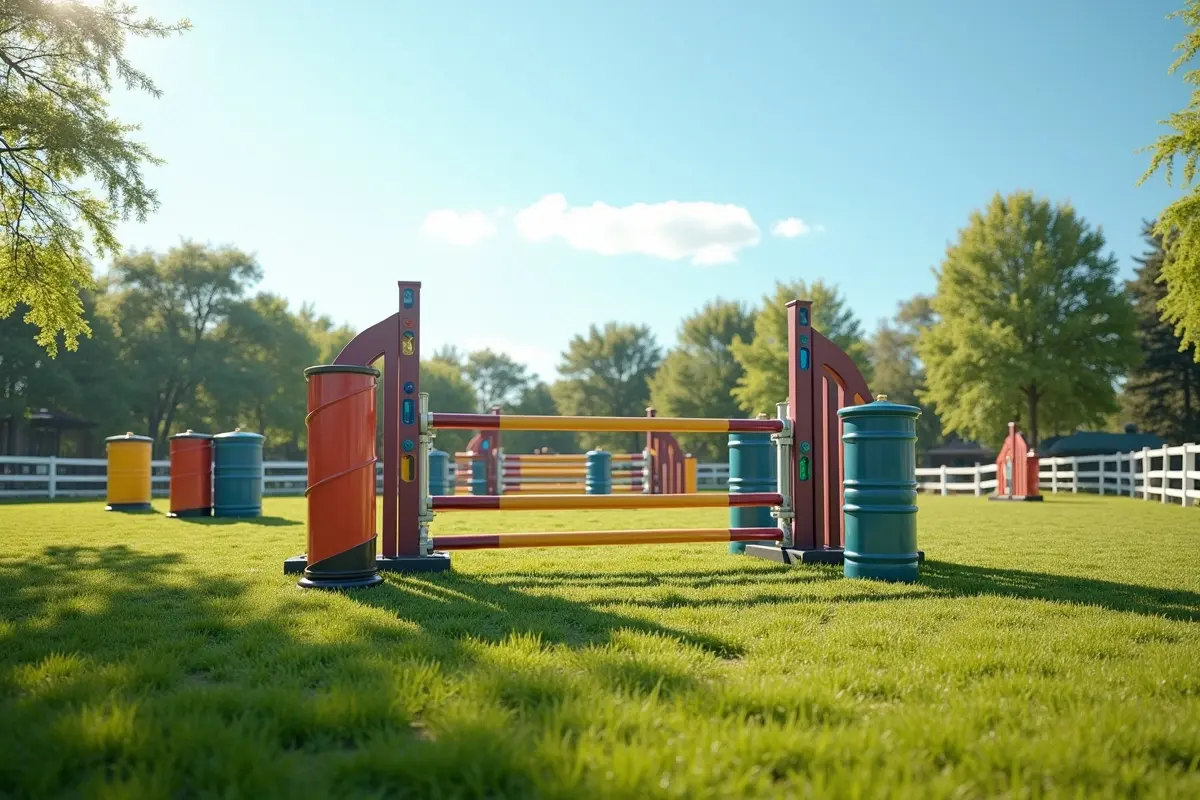
When it comes to equestrian sports, prioritizing safety for both rider and horse is essential—especially in the discipline of show jumping. Selecting the right gear can drastically reduce the risk of accidents and help maintain high performance.
Whether you are a competitive rider or a hobbyist, knowing how to choose horse jumping equipment that offers quality and safety is crucial to your equestrian success and peace of mind. Every piece of equipment, from jump poles and standards to cups and fillers, should meet strict standards to help create a secure environment for training and competition.
Ignoring safety considerations can lead to avoidable injuries for both horse and rider. Quality equipment not only prevents accidents but also instills confidence, allowing both parties to focus on refining their skills and techniques. The right investments today can make a significant difference in longevity and financial security.
As you evaluate the available choices, understanding the interplay between materials, construction, and maintenance is crucial for making informed decisions.
Contents
Material Matters
The durability, weight, and safety of horse jumping equipment depend heavily on the materials used. Traditional wooden jumps provide a classic look but are prone to rot, splinters, and require frequent maintenance, especially if exposed to varying weather conditions. Modern alternatives, such as PVC or heavy-duty plastic, are valued for their resistance to weather and ease of handling; however, care must be taken to avoid lower-grade plastics that may crack or shatter under impact.
Aluminum and composite materials offer unique benefits as well—aluminum is sturdy and rust-resistant, while composites blend properties to create highly resilient, low-maintenance options for long-term use. Evaluating the material best suited to your climate, training frequency, and level of competition can make a substantial difference in safety and budget allocation.
Design and Construction
The way jumping equipment is built affects both safety and performance. Look for products featuring rounded edges to minimize scrapes and injuries, along with collapsible or breakaway components like frangible pins that help disperse impact during an unsuccessful jump.
The ability to adjust jump height and width is vital for both gradual progression and targeted training, and ensures suitability for riders and horses of differing experience levels. Well-designed jumps are stable enough to remain upright during windy conditions, but not so rigid that they pose an increased risk of collision. Avoid makeshift or poorly constructed jumps, as these can introduce more hazards than they remove.
Safety Standards and Certifications
Adherence to official safety standards is non-negotiable. Reputable organizations, including the United States Pony Clubs (USPC) and the Fédération Equestre Internationale (FEI), regularly update safety policies based on research and incident reporting. For example, certain stirrups and jump types may be prohibited as new data on injury causes comes to light.
When purchasing equipment, verify that it complies with current standards, and opt for suppliers who provide certifications or references to these standards. This approach guarantees that you are making a responsible investment that aligns with the best practices in equestrian sports.
Regular Maintenance and Inspection
Keeping equipment in top condition is essential for ongoing safety. Take a moment before each use to inspect all components for damage—this includes checking for loose screws, cracks, rust, or warped elements. Ensure that wooden surfaces are sealed and free from splinters, and check for corrosion on any metal hardware.
Promptly repairing or replacing compromised parts prevents avoidable accidents and extends the usable life of your equipment. For jump cups and other critical pieces, test their integrity regularly, especially after heavy impacts or unusual weather events.
Appropriate Sizing and Fit
Proper fit is about more than comfort; it’s a matter of safety. All pieces of jumping equipment—from standards to rails to cups—should correspond with the size and ability of both horse and rider. Ill-fitting jump cups, for example, can restrict the pole’s movement and cause unintended injuries, while jumps set at the wrong height for the team may increase stress and risk.
Different horse breeds and levels of rider skill require adaptability, so choose equipment that is adjustable, modular, and easy to customize as needs evolve.
Investing in Quality
It can be tempting to cut corners on price, but high-quality horse jumping equipment is an investment in safety. Top manufacturers use robust materials, employ thoughtful design features, and adhere to rigorous testing standards.
When possible, purchase your jumps and related equipment from established suppliers with a positive reputation in the equestrian community. Quality gear is not just longer-lasting—it is more likely to withstand repeated impacts without catastrophic failure, providing consistent safety and performance season after season.
Conclusion
Adequate safety involves a combination of material quality, thoughtful construction, rigorous standards, and ongoing maintenance. By investing wisely, staying up-to-date, and selecting equipment purpose-built for safety, you lay the groundwork for enjoyable and secure equestrian experiences. In such a dynamic sport, your commitment to learning and diligence ensures the well-being of both horse and rider today and for years to come.