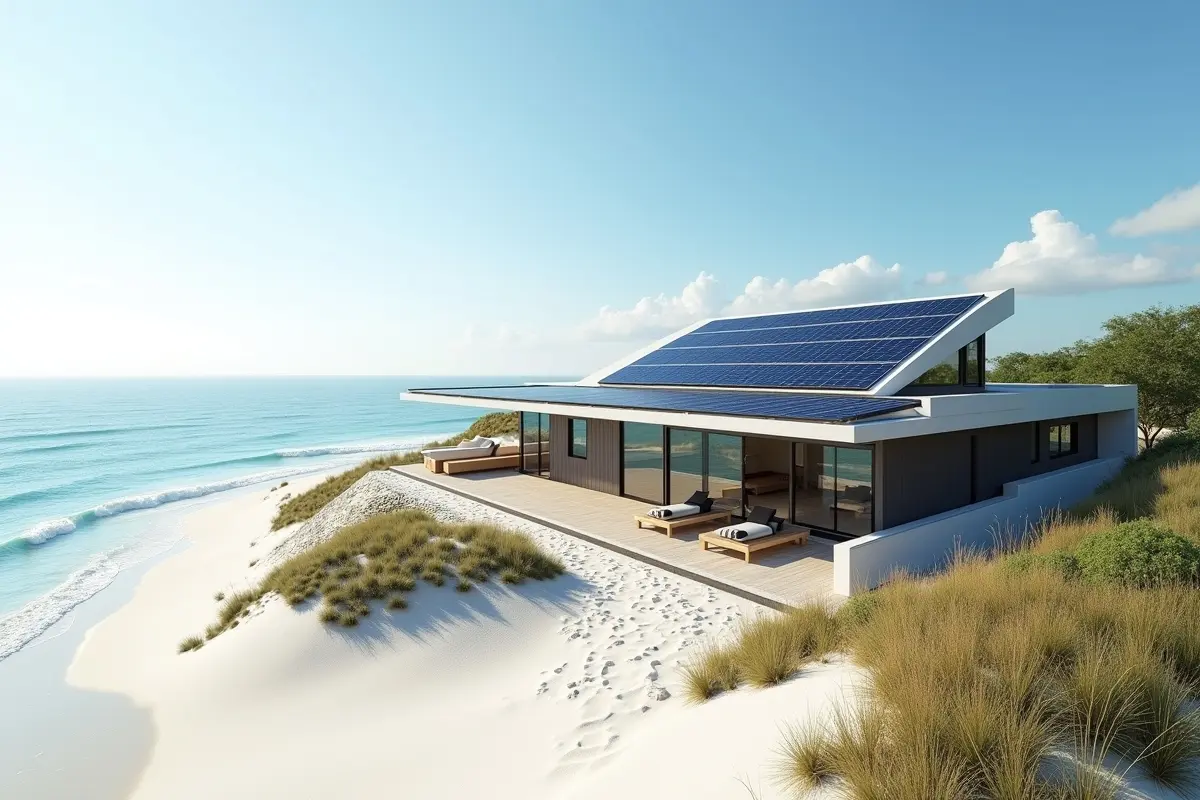
Coastal living has always evoked images of sun-drenched verandas, panoramic ocean views, and the tranquil sound of surf. This coveted lifestyle, however, is evolving rapidly as a new wave of homebuyers reimagine luxury with sustainability at its core. Green building materials, resilient landscapes, and mindful community wellness are now as desirable as location and amenities.
Vero Beach real estate agent Ben Bryk points out that today’s buyers seek extraordinary properties and homes that minimize environmental impact and support coastal resilience. Adopting sustainable practices has become essential for realtors and homeowners alike in defining and delivering modern beach luxury.
This movement is shifting the real estate narrative. The role of luxury realtors extends beyond matching buyers with waterfront views, reaching into areas such as energy efficiency, green design, and eco-conscious community development.
With coastal regions facing increasing climate pressures, this new paradigm draws interest not just from environmentalists but also from discerning buyers who want their homes to be beautiful and future-proof. As a result, coastal real estate professionals must stay ahead of sustainability trends, interpreting them to benefit their clients and communities.
Contents
Sustainable Building Materials and Practices
Green construction is steadily rising as the new standard for coastal homes. Builders are increasingly selecting materials like reclaimed wood, recycled steel, and bamboo that offer both longevity and a significantly smaller ecological footprint compared to traditional options.
These eco-friendly materials are naturally better equipped to withstand coastal challenges, from high humidity to salt-laden winds. Fiber cement siding, recognized for its resistance to weathering and fire, is frequently employed in waterfront developments. Cool roofs, using solar-reflective materials, keep homes comfortable while slashing energy use.
Energy-efficient windows and insulation are also core features of sustainable coastal properties. By reducing heating and cooling demands, they protect the environment and the homeowner’s wallet. According to the U.S. Department of Energy, adopting green building strategies can decrease energy consumption by up to 30%. These advances underscore a broader shift: coastal luxury is no longer just about eye-catching aesthetics, but about creating properties that honor and preserve the unique environments in which they’re located.
Integration of Smart Home Technologies
Technology is redefining the coastal lifestyle, not only by enhancing convenience and security but also by driving sustainability. In modern beach homes, smart climate control systems allow precise management of energy use, automatically adjusting based on weather, occupancy, or time of day. Security features, such as remote video surveillance and automated storm shutters, offer peace of mind even when owners are away for extended periods.
Outdoor living spaces, a hallmark of luxury waterfront properties, now commonly include programmable irrigation and smart lighting that minimize water and energy waste. Outdoor kitchens and entertainment zones are designed for low-impact gatherings and high-end comfort, blending seamlessly into natural surroundings. It’s a convergence of lifestyle and conservation that lets homeowners enjoy the best of both worlds.
Minimalist Aesthetics with Natural Elements
Simplicity, tranquility, and connection to nature are at the heart of today’s coastal interior design. Minimalism is not just a stylistic choice but a sustainable one; it invites thoughtful selection of furnishings and encourages the use of versatile, durable household items. Natural fibers and neutral hues create functional but inviting spaces, letting the vibrancy of the outdoors take center stage through large windows and open-plan layouts.
Multi-purpose furniture, such as storage ottomans and modular sofas, enhances both efficiency and comfort, supporting the modern emphasis on living with less while making the most of coastal views. Design philosophies promoting “less is more” help foster serenity indoors, a sanctuary from busy lifestyles and a complement to the ever-changing natural seascape outside.
Community-Centered Wellness Initiatives
Community wellness is rapidly emerging as a focal point in beach towns. Residents now expect more than just recreational amenities; they seek opportunities for holistic well-being among their neighbors. Wellness amenities such as yoga studios, bike paths, and nutrition-focused cafes are commonplace. Group fitness classes on the sand, beach clean-ups, and mindfulness workshops for kids help reinforce the link between personal health and environmental stewardship.
Forward-thinking coastal communities are investing in local education programs that teach sustainable fishing, marine biology, and climate resilience, building a foundation for healthy living and responsible citizenship. The New York Times described these initiatives in depth and reflected a commitment to nurturing both the local landscape and those who call it home.
Resilient Landscaping and Living Shorelines
Climate resilience is a growing driver of landscape design in 2025. Waterfront homeowners increasingly turn to native plants such as dune grass, salt-tolerant shrubs, and hardy wildflowers that thrive in the harsh coastal climate with minimal resources. Landscaping features like elevated planters, permeable walkways, and natural dunes not only boost curb appeal but also help prevent erosion and protect property from rising sea levels.
Many properties are integrating “living shorelines”—restorative zones that blend vegetation, sand, and sometimes oysters or mangroves to stabilize soil and support biodiversity. These approaches align with recommendations from major environmental organizations, ensuring properties are safeguarded while contributing positively to coastal ecosystems.
The Role of Beach Luxury Realtors in Sustainable Living
The transformation of coastal living depends on the expertise and adaptability of realtors who understand green certification, renewable energy, and eco-forward design. Trained in the nuances of the latest sustainable features, these professionals collaborate closely with buyers and developers, helping clients prioritize what matters most in a home, not just today but for years of environmental change ahead.
Beach luxury realtors now advise clients on solar installations, rainwater capture, and local zoning for resilient landscaping. Their evolving role extends into partnership with builders and sustainable vendors, ensuring that every property listing reflects the forward-thinking values of today’s buyers. As the demand for environmentally responsible homes grows, these realtors are key advocates for a brighter, greener coastal future.
Conclusion
Sustainable coastal living is redefining beach luxury for the next generation of homeowners. The newest wave of coastal properties offers indulgence and integrity by marrying energy-efficient design, smart technology, minimalist interiors, community health, and resilient landscaping. The expertise of forward-thinking realtors is bringing this vision to life, allowing buyers to invest in homes that are beautiful, functional, and respectful of our most precious oceanfront environments.