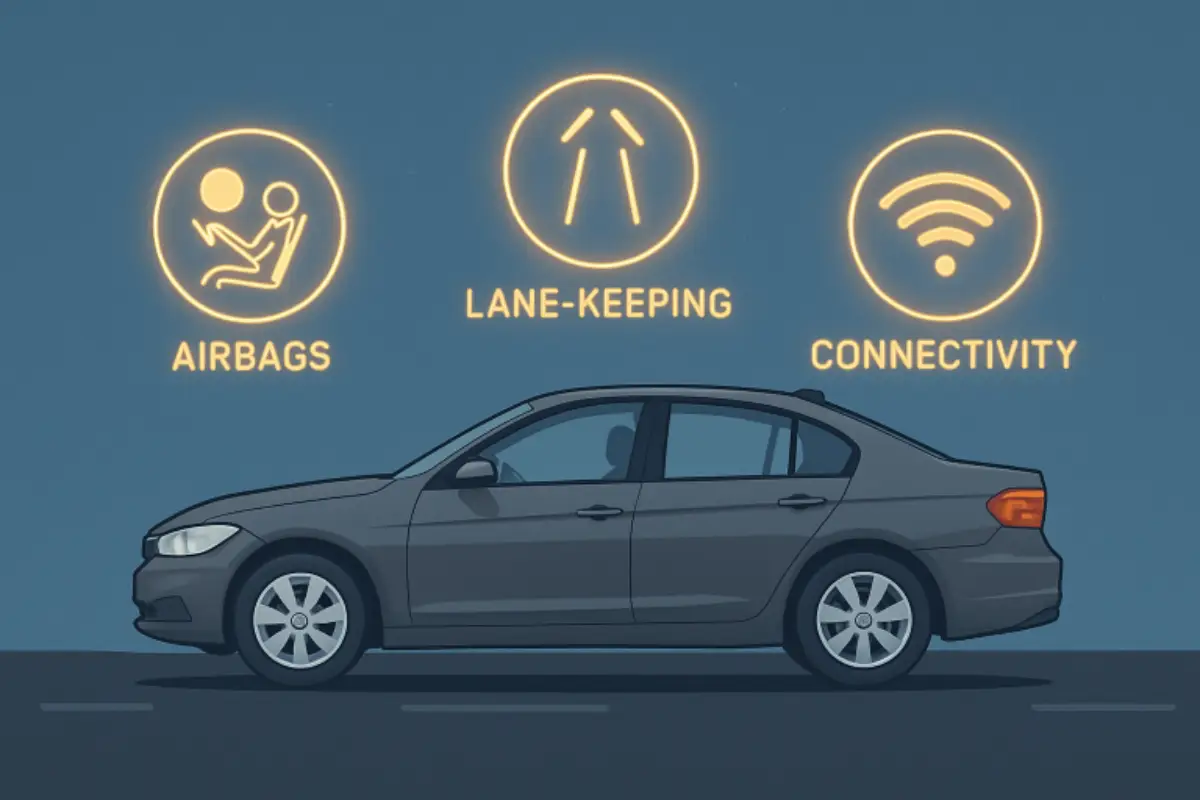
Modern vehicles have undergone remarkable transformations, placing a premium on both safety and comfort for everyone on the road. It evolving technology and automotive engineering, drivers and passengers now experience unprecedented peace of mind and driving enjoyment. For those considering their next vehicle, it’s essential to learn more about the latest innovations and features that set new standards for road safety and comfort in today’s cars.
Today’s cars are designed not only to prevent accidents but also to make every drive more enjoyable. By integrating everything from intelligent assistance systems to cutting-edge materials and connectivity features, manufacturers are creating cars that adapt, respond, and protect in ways that were unimaginable just a decade ago.
Contents
- 1 Advanced Driver Assistance Systems (ADAS)
- 2 Innovations in Airbag Technology
- 3 Adaptive Cruise Control and Lane-Keeping Assist
- 4 Structural Enhancements and Material Innovations
- 5 Integration of Smart Technologies
- 6 Biometric Monitoring Systems
- 7 Enhanced Night Vision Systems
- 8 Vehicle-to-Everything (V2X) Communication
- 9 Looking Ahead
Advanced Driver Assistance Systems (ADAS)
ADAS features are now crucial components of modern automobiles, working behind the scenes to help prevent accidents and errors. Systems such as automatic emergency braking (AEB), lane departure warnings, and blind-spot monitoring use an array of sensors, cameras, and radar to constantly assess the vehicle’s surroundings.
For example, AEB autonomously applies brakes if an imminent collision is detected and the driver is unable to react in time, greatly reducing the severity or likelihood of a crash. These innovations do not just assist—they have been proven to save lives, as outlined by ongoing NHTSA research.
Innovations in Airbag Technology
Airbags have evolved well beyond basic frontal airbags, now offering a suite of solutions tailored to protect all parts of the occupant’s body during an accident. Side-impact airbags, knee airbags, curtain airbags, and even innovative seatbelt airbags deploy with personalized force based on real-time accident data. Advanced sensors determine the right amount of inflation, helping minimize injury by adapting to the specific circumstances of any crash.
Adaptive Cruise Control and Lane-Keeping Assist
Adaptive cruise control (ACC) and lane-keeping assist are two game-changing features enhancing driver comfort, particularly on long journeys and busy highways. ACC maintains your desired speed while actively adjusting to the flow of surrounding traffic, automatically slowing or accelerating as needed. Lane-keeping assist continuously scans lane markings and gently steers the vehicle back if you begin to drift. These technologies lighten the mental load, making extended travel less fatiguing and more secure for everyone inside the vehicle.
Structural Enhancements and Material Innovations
Vehicle structures have seen dramatic enhancements with the adoption of high-strength steel, aluminum alloys, and composite materials engineered for both rigidity and flexibility. The strategic use of “crumple zones” absorbs and dissipates crash forces away from the cabin, while reinforced passenger cells act as protective shells. These developments maximize crashworthiness and occupant protection while keeping vehicles lighter and more fuel-efficient.
Integration of Smart Technologies
Digital connectivity is reshaping the driving landscape. Modern vehicles now offer seamless integration with smartphones, voice-activated controls, and cloud-based navigation. Connected car technology supports real-time traffic alerts, predictive maintenance notifications, and over-the-air software updates.
With the advent of 5G, cars not only improve convenience but also enable enhanced safety by sharing data with other vehicles and infrastructure. As news outlets like CNN highlight, connected features redefine what it means to stay both informed and entertained on the road.
Biometric Monitoring Systems
Emerging biometric systems offer added safety by monitoring vital driver signs such as heart rate, alertness, and gaze direction. These systems can detect early signs of fatigue, distraction, or medical emergencies, intervening with warnings or even automatic slowdowns if necessary. This layer of protection helps prevent accidents before they occur and represents a proactive shift in automotive safety philosophy.
Enhanced Night Vision Systems
Driving at night requires careful consideration of reduced visibility and heightened risk. Advanced night vision and thermal imaging systems use infrared technology to “see” beyond headlights, detecting pedestrians, wildlife, and obstacles in total darkness or poor weather. These tools extend reaction time, offering crucial support to drivers during the most challenging conditions. For more on the expanding capabilities of these systems,
Vehicle-to-Everything (V2X) Communication
V2X technology opens unprecedented avenues for vehicle safety and efficiency. By enabling real-time communication between vehicles, traffic signals, and even road infrastructure, V2X allows alerts for congestion, construction zones, or emergency vehicles—often before drivers can see the hazard with their own eyes. This collective intelligence not only helps prevent collisions but also supports smoother, less stressful commutes for all.
Continued technology integration in automobiles is leading to safer, more connected, and more comfortable journeys for everyone. As these features become standard across more vehicles, today’s drivers and passengers can confidently look forward to an era where automotive safety and convenience go hand in hand.
Looking Ahead
As automotive technologies continue to evolve, drivers and passengers stand to benefit from unprecedented levels of safety, comfort, and connectivity. The integration of smart systems and innovative materials is reshaping how we experience driving, making roads safer and journeys more enjoyable. With these advancements becoming standard, the future of driving promises greater peace of mind and convenience for everyone.