
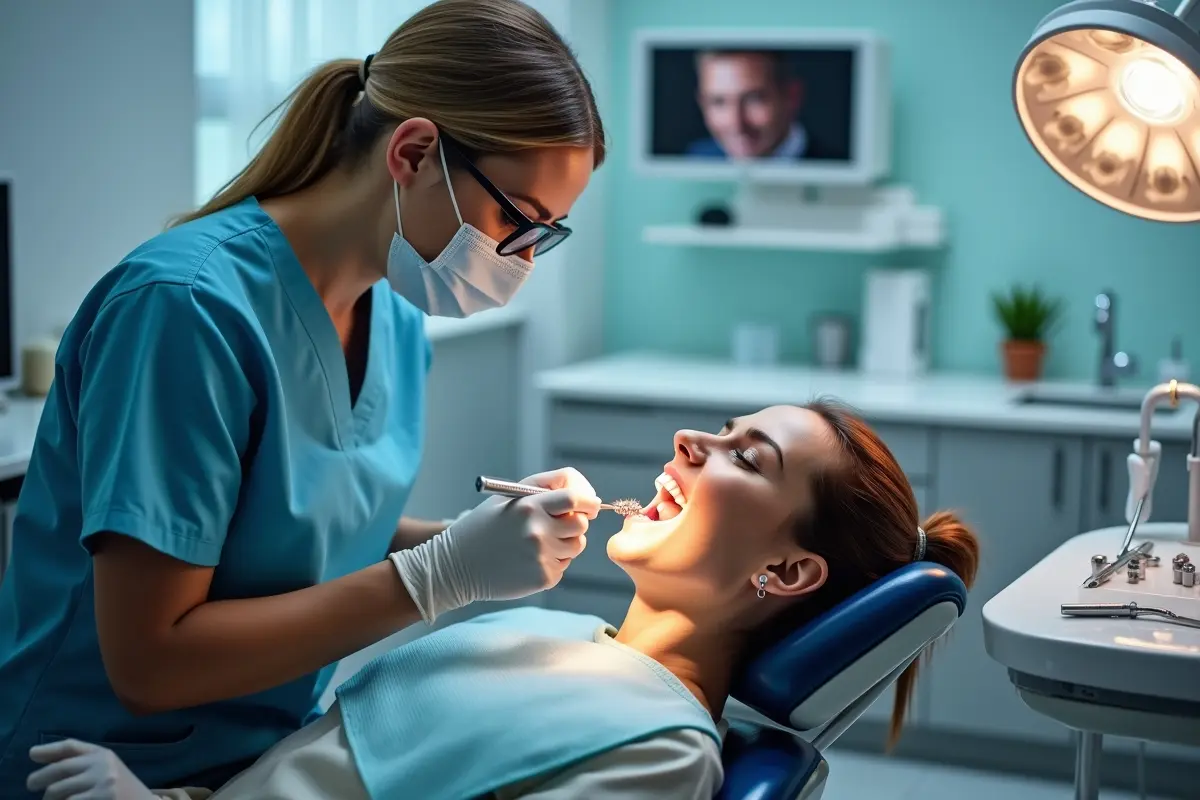
For those experiencing significant tooth loss, full-arch dental implants represent a groundbreaking alternative to traditional dentures. This advanced treatment uses several strategically placed implants to secure a custom dental arch, resulting in a stable, natural-looking, and functional smile. If you’ve struggled with the limitations of conventional dentures or are seeking a permanent solution to widespread tooth loss, full mouth dental implants St. Louis, MO, could provide the reliable, confident results you desire.
Yet, as with any significant dental procedure, it’s crucial to understand both the advantages and potential challenges. Full-arch implants are not suitable for everyone; careful evaluation of your health, lifestyle, and oral condition is essential to determine if this treatment matches your needs.
While many report life-changing results—such as improved function and self-esteem—it’s essential to weigh these outcomes against factors like cost, potential surgical risks, and the long-term benefits of preserving natural teeth where possible.
Contents
Understanding Full-Arch Dental Implants
Full-arch dental implant systems, also known as All-on-4 or All-on-X, use four or more biocompatible titanium posts embedded into the jaw. These serve as secure anchors for a full prosthetic dental arch. This solution is especially recommended when a patient is missing most or all teeth in the upper or lower jaw, or when remaining teeth are not salvageable.
Compared to traditional dentures—which rest on the gums and can slip or cause discomfort—full-arch implants offer unparalleled strength and stability, often allowing patients to eat, speak, and smile again confidently.
Benefits of Full-Arch Dental Implants
- Enhanced Chewing and Speech: Anchored prosthetics restore nearly normal chewing capacity and help users speak more naturally, minimizing the common problems with slurred speech or poor pronunciation found with removable dentures.
- Natural-Looking Results and Confidence: Modern prosthetic arches closely replicate the appearance and function of natural teeth, making it nearly impossible for others to tell the difference and boosting self-confidence.
- Jawbone Preservation: Unlike dentures, implants prevent bone deterioration by stimulating the jawbone, helping preserve facial contours and preventing the sunken appearance that can occur after tooth loss.
- Durability and Long-Term Value: Implants can last for decades with proper care, offering a cost-effective alternative to repeatedly replacing dentures or partials.
- Simple Daily Care: Caring for implant-supported arches is similar to caring for natural teeth—brushing, flossing, and routine dental checkups are essential, often reducing overall maintenance effort compared to removable prosthetics.
Potential Drawbacks and Considerations
- Substantial Upfront Cost: The initial investment for full-arch implants is considerable compared to traditional denture solutions, though many patients see long-term value and savings due to durability and reduced replacement needs.
- Surgical and Healing Risks: As with any oral surgery, there are risks including infection, failure of integration, and the need for additional procedures—especially for those with inadequate jawbone for support. Recovery can involve swelling, discomfort, and dietary restrictions for weeks or months.
- Maintenance and Repair: Prosthetics or implants may eventually require adjustments, repairs, or even replacement due to wear or complications.
- Suitability Varies: Patients with certain medical conditions, insufficient bone density, or poor oral health may require bone grafts or sinus lifts or may be ineligible for the procedure. Open and honest discussions with your dental provider will help clarify your options.
Alternatives to Full-Arch Dental Implants
Whenever possible, preserving healthy teeth is recommended to maintain jawbone integrity and minimize invasiveness. Treatment alternatives include:
- Dental Crowns and Bridges: When some natural teeth remain, these restorations can bridge gaps while maintaining the existing structure.
- Removable Partial Dentures: Appropriate for patients who have lost several, but not all, teeth and desire a non-surgical, reversible solution.
It’s essential to avoid unnecessarily removing healthy teeth for implant placement, as even with advances in implant technology, natural teeth remain essential to long-term oral and bone health.
Determining If You’re a Good Candidate
Candidates for full-arch dental implants are typically adults in good general and oral health who seek a permanent, reliable solution for extensive tooth loss. Several factors play a role in assessing eligibility:
- General Health: Chronic illnesses like diabetes, as well as certain medications, can increase risk and affect healing. A thorough medical history is essential before considering surgery.
- Bone Density and Structure: Sufficient bone quality and volume are necessary to support implants. People lacking sufficient bone may need bone grafting prior to implant placement. For more detailed guidance on what patients should know about dental implants, the FDA provides comprehensive information
- Commitment to Oral Care: Success depends on diligent oral hygiene and regular professional cleanings to prevent infections.
- Lifestyle Factors: Habits like smoking or teeth grinding can interfere with healing and the longevity of implants, and should be discussed before choosing this option.
Importance of Seeking a Second Opinion
Dental implants are a significant investment in both time and resources. It’s highly advisable to consult more than one dental professional before proceeding. A second opinion can ensure you’re aware of all the available options—sometimes revealing less invasive or more affordable alternatives suited to your specific case. Comprehensive consultations ensure the best possible outcome for your smile and well-being.
Conclusion
Full-arch dental implants have revolutionized the treatment of extensive tooth loss, offering an attractive and reliable option for many who might otherwise have resorted to removable dentures. By understanding the benefits, limitations, and alternatives, you can confidently partner with your dental team to arrive at the best solution for your health and happiness.
Remember to consider long-term outcomes, prioritize your natural teeth when feasible, and seek professional advice from respected sources before making this life-changing decision.

