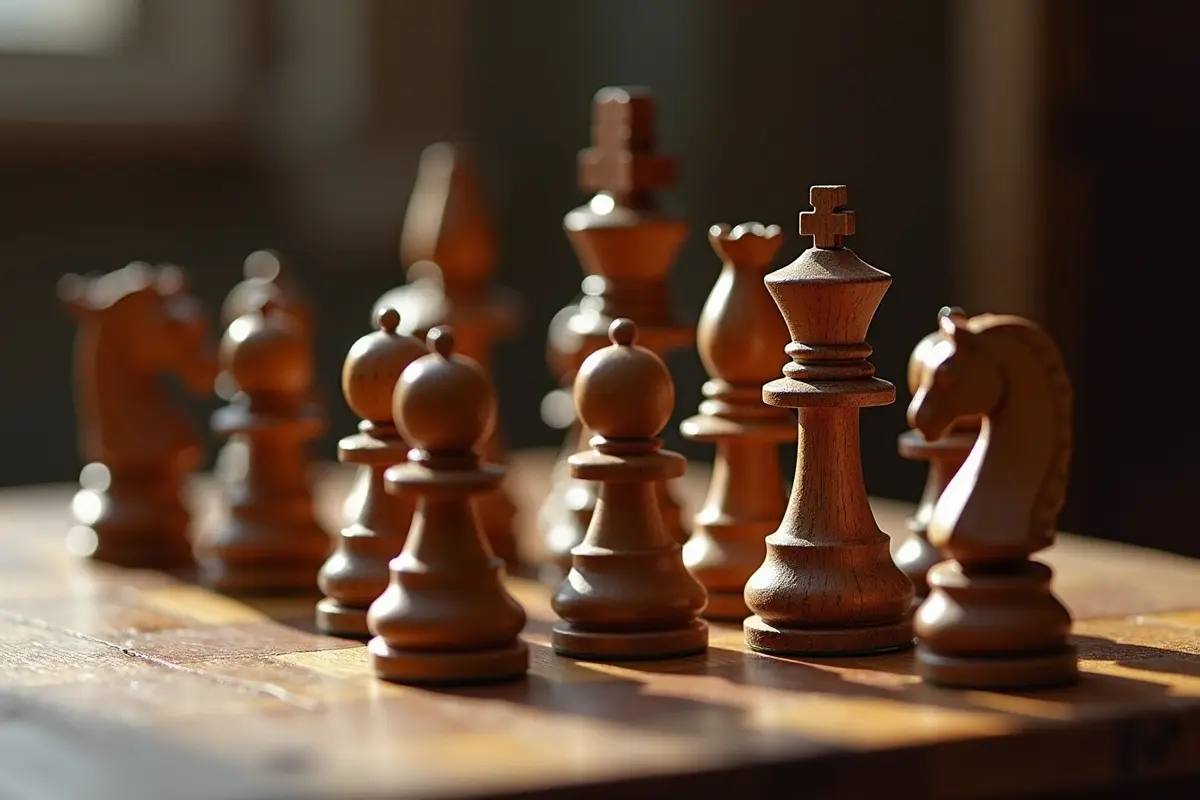
Chess is more than just a game; it is a legacy, an art form, and for many collectors, a family treasure. Identifying a true heirloom chess set is about more than mere appearance—it involves recognizing the remarkable craftsmanship, premium materials, and history imbued in each piece. Whether building a personal collection or hoping to pass down a set through generations, understanding what sets a genuine heirloom apart is essential. For those interested in exploring authentic heirloom chess sets, there are important factors to consider when evaluating potential treasures.
Beyond the aesthetic appeal, true heirloom sets carry the weight of tradition and artistry. As the appreciation for fine chess sets grows, it becomes all the more crucial to distinguish those pieces with real lasting value from decorative novelties. Learning what to look for will help you invest wisely or cherish what’s already in your family.
Contents
- 1 Exceptional Craftsmanship: Hallmark of Authentic Heirlooms
- 2 Quality Materials: Investing in Longevity
- 3 Historical Significance: The Stories Behind the Board
- 4 Provenance and Maker’s Marks: Authenticity Matters
- 5 Condition and Care: Maintaining Legacy Value
- 6 Rarity and Uniqueness: The Collector’s Edge
- 7 Final Thoughts
Exceptional Craftsmanship: Hallmark of Authentic Heirlooms
Quality craftsmanship is the first and most obvious sign of an heirloom chess set. Skilled artisans often hand-carve wooden pieces, particularly knights, which exhibit detailed expressions and elegant lines. This level of intricacy is rarely found in mass-produced sets. Look for symmetry, consistency, and the seamless blend of function and beauty. Hand-turned bases, smooth finishes, and careful weighting indicate a set’s superior origin.
Quality Materials: Investing in Longevity
The material composition of a chess set defines its endurance and visual richness. Heirloom chess sets are most often crafted from distinguished woods like ebony, rosewood, and boxwood, which not only last but develop a pleasing patina as they age. Some luxury sets may feature fine metals, marble, or ivory, each adding uniqueness and value. These materials resist warping, cracking, and fading—qualities crucial for any piece to withstand decades, if not centuries.
Durability and aging gracefully are the defining traits of heirloom-worthy materials. According to AP News, interest in long-lasting, beautifully made chess sets has increased, as more people seek cherished objects that can become family heirlooms.
Historical Significance: The Stories Behind the Board
The history linked to a chess set can be as valuable as its materials. Sets with documented ties to famous tournaments or legendary grandmasters instantly gain prestige. A single set crafted by a renowned artisan or produced in a historic era can hold immense value—sometimes even more than the finest modern set. For instance, Early Jaques of London sets are highly prized for their association with the beginnings of competitive chess and their exceptional quality.
Collectors value the story as much as the set itself. Documenting the set’s journey, original ownership, or connection to historical milestones can augment its heirloom status and provenance.
Provenance and Maker’s Marks: Authenticity Matters
One of the most reliable ways to determine if a set is a genuine heirloom is through its provenance—tangible proof of its origin. Authentic sets may include certificates of authenticity, signatures, or maker’s marks engraved or stamped on the base of key pieces. For example, early Jaques pieces bear the “Jaques London” signature on the king’s base. These unique identifiers authenticate the set and ensure its heritage is well documented, adding confidence and value for collectors and future generations.
Condition and Care: Maintaining Legacy Value
Even the most splendid chess set can lose value if neglected. Heirloom pieces must be well cared for: store them in a cool, dry place, avoid direct sunlight, and clean them gently with a soft, lint-free cloth. Regular inspections for cracks, chips, or fading finish are essential. Such preventive measures preserve beauty and function and protect the set’s historical and monetary value. Proper care ensures the set remains a genuine heirloom for generations to enjoy.
As noted by Smithsonian Magazine, preservation techniques and careful use can make even centuries-old items last well into the future, adding to their lore and value as family treasures.
Rarity and Uniqueness: The Collector’s Edge
Rarity is a key component of heirloom status. Limited edition sets or pieces made in small batches by esteemed manufacturers will likely appreciate over time. Collectors often favor sets that cannot be easily replaced or replicated. The harder a set is to find, the more it stands out among collections and the more likely it is to become a valuable family legacy. Original sets from prestigious makers or discontinued model lines are prized for uniqueness.
Final Thoughts
Identifying a true heirloom chess set requires attention to craftsmanship, choice materials, historical context, provenance, careful maintenance, and rarity. With these elements, your chess set becomes a meaningful object that connects generations, inspires artistry, and remains a source of pride and beauty in any home. Investing in a true heirloom is investing in history, tradition, and timeless enjoyment for years.