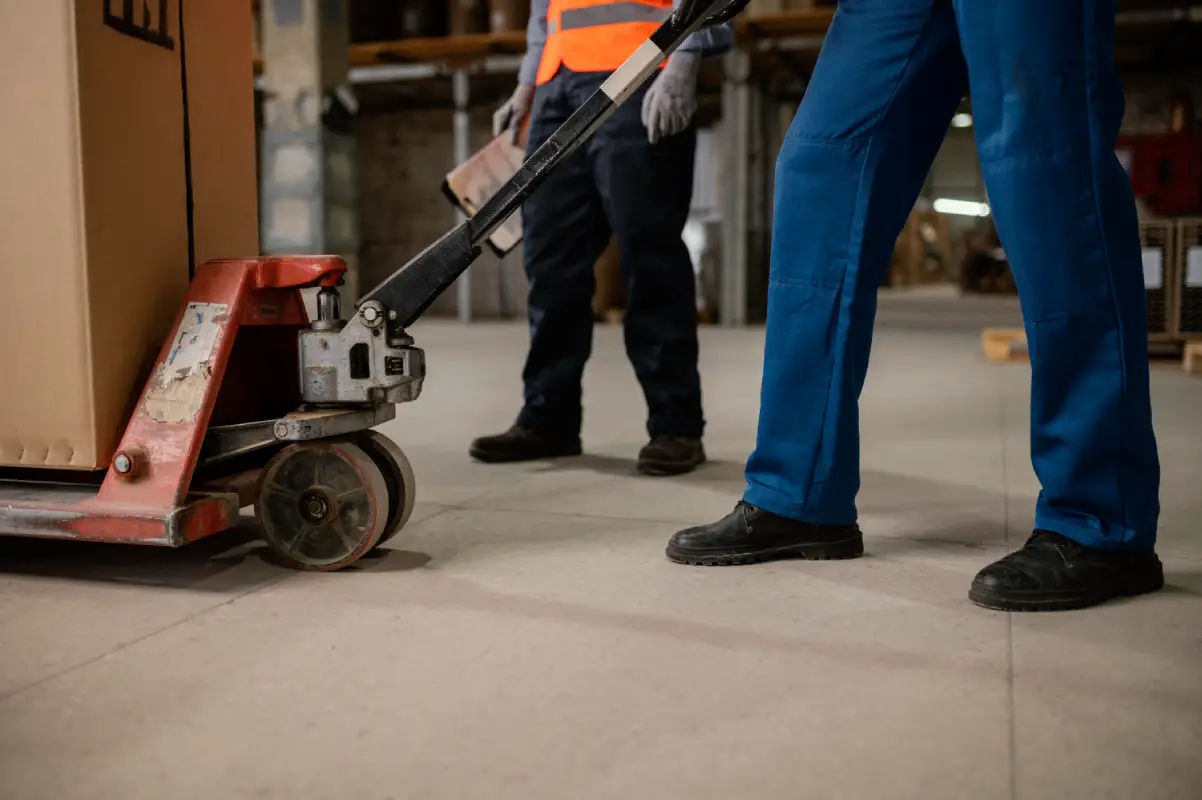
In industrial environments, the efficiency and safety of moving equipment often hinge on the quality of casters and wheels. Poorly chosen or low-quality wheels can lead to accidents, slow down operations, and increase wear on machinery and floors. Ensuring the right combination of durability, load capacity, and maneuverability helps maintain smooth workflows, reduces the risk of injuries, and supports overall productivity. Employees rely on equipment that moves reliably, making the thoughtful selection of casters a key component in workplace safety strategies.
When selecting wheels, materials play a critical role in performance. Polyurethane wheels, for instance, offer a balance of strength, resilience, and floor protection. They minimize noise, resist chemicals, and provide smooth mobility even under heavy loads, making them ideal for high-traffic industrial areas. Integrating these wheels effectively contributes to safer, more efficient operations.
Contents
- 1 Types of Casters: Fixed, Swivel, and Specialty Designs
- 2 Key Factors in Caster Material Selection
- 3 Load Capacity and Safety Considerations
- 4 Optimizing for Floor Surface and Environmental Challenges
- 5 Maneuverability: Turning, Braking, and Ergonomics
- 6 Maintenance Tips to Prolong Service Life
- 7 Conclusion: Making Data-Driven Choices for Long-Term Success
Types of Casters: Fixed, Swivel, and Specialty Designs
The market offers various caster designs, each addressing specific workplace scenarios. Fixed casters, sometimes called rigid casters, move equipment in a straight line and provide dependable stability for long, predictable routes like warehouse aisles. On the other hand, Swivel casters provide 360-degree turning capability, making them ideal for areas with frequent direction changes or tight maneuvering needs.
There are also specialty casters designed to solve unconventional problems—shock-absorbing versions dampen vibrations in sensitive environments, while heat-resistant casters are engineered for kitchens or foundries. Careful assessment of your facility’s layout and operational needs will inform your ideal combination of caster types.
Key Factors in Caster Material Selection
Caster material selection is crucial for casters and wheels. Polyurethane balances strength, resilience, and floor protection, making it popular for noise reduction and minimal floor wear. Steel or cast-iron wheels can carry heavy loads but run louder on flooring. Soft rubber wheels are ideal for uneven surfaces but have quicker wear. Factors like noise tolerance, load requirements, and environment should be considered when choosing caster material.
Load Capacity and Safety Considerations
Exceeding a caster’s load capacity is one of the most common—and preventable—causes of workplace accidents. Manufacturers specify weight ratings for each caster model, which refer to the maximum load a single wheel can safely bear. The calculation for safe operations involves dividing the total expected load by the number of casters, then adding a margin for unexpected weight spikes or uneven floor loading. Proper load distribution is significant for equipment carrying sensitive electronics or hazardous materials.
Optimizing for Floor Surface and Environmental Challenges
Compatibility between wheel materials and flooring types is crucial for caster selection. Hard wheels can damage soft flooring, while soft wheels work well on delicate surfaces but may fail on abrasive surfaces. Work environments with chemicals, moisture, or temperature extremes limit choices to materials that resist corrosion and maintain integrity. A thorough review of surfaces and environmental stressors can prevent costly repairs.
Maneuverability: Turning, Braking, and Ergonomics
In high-traffic or cramped environments, maneuverability becomes paramount. Swivel casters increase control and make it far easier for users to navigate obstacles or through narrow corridors. Equally important is including effective brake systems to keep carts or equipment stationary when necessary—brakes can prevent collisions and spills, especially on sloped surfaces.
Furthermore, ergonomic design in caster selection lessens the physical effort required to push or pull heavy loads, directly reducing the risk of strain injuries among workers. The Occupational Safety and Health Administration (OSHA) highlights how proper ergonomic interventions can dramatically lower musculoskeletal disorders, boosting morale and long-term productivity.
Maintenance Tips to Prolong Service Life
Preventive maintenance of casters and wheels significantly extends their lifespan and improves workplace safety. Regular inspections detect debris accumulation, worn treads, mismatched wheel heights, and wobbling. Regular fastener tightening prevents unexpected detachment. Immediate replacement is necessary for significant wear or damage. In humid or chemical-prone environments, choose casters with corrosion-resistant finishes.
Conclusion: Making Data-Driven Choices for Long-Term Success
The selection and maintenance of casters and wheels are crucial for workplace safety, operational efficiency, and cost control. Factors like floor type, load distribution, maneuverability, and maintenance routines can be considered. Seeking industry guidance and integrating modern materials ensures long-term reliability.