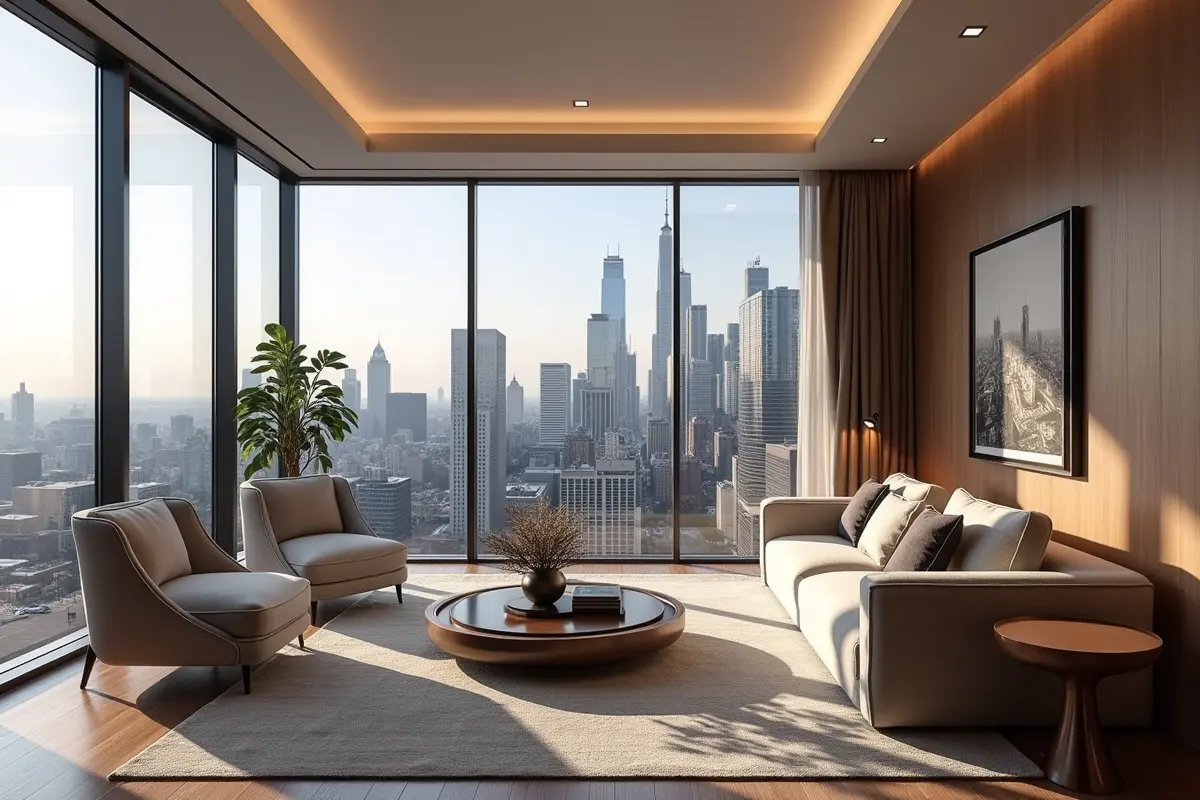
Urban living continues to attract residents with its promise of excitement, innovation, and connection. Whether you’re drawn by career opportunities, diverse cultures, or cutting-edge amenities, city life offers an array of benefits that are hard to replicate elsewhere. City dwellers enjoy access to a wealth of Draper luxury apartment amenities, vibrant communities, and amenities designed to suit the urban lifestyle.
The dynamic pace of urban environments means that residents are constantly immersed in a world of endless possibilities, ranging from state-of-the-art fitness centers and rooftop lounges to convenient workspaces and high-tech security systems. This concentration of services and resources brings unmatched convenience, often allowing individuals to achieve a highly desirable work-life balance without compromising comfort or accessibility.
From thriving job markets to an ever-expanding social scene, urban areas meet the needs of modern living with efficient transportation, top educational institutions, and world-class healthcare. These elements are not just conveniences—they foster growth, learning, and well-being. Finding the ideal balance between work, play, and relaxation becomes easier in cities where everything is conveniently close at hand and seamlessly integrated into daily life.
Urban living enables residents to connect with experts in their fields, attend exclusive events, and enjoy a wide range of recreational activities without the need for lengthy commutes. For young professionals, families, and retirees alike, the city’s integrated lifestyle can provide both excitement and everyday ease, creating a harmonious environment for people at every stage of life.
The city’s appeal also lies in its ability to offer cultural richness, sustainability, and a sense of collective progress. Whether through car-free zones or bustling markets, city residents are always at the heart of change. Innovation flourishes in urban centers, powered by the exchange of ideas between talented professionals, artists, and entrepreneurs who call these places home.
With dedicated spaces for art exhibitions, music performances, and cultural festivals, cities provide residents with opportunities to participate in the creation and celebration of new traditions. Let’s explore why urban living remains a top choice for millions, shaping the future of how we live, work, and play.
From art and music festivals to the integration of green spaces and eco-friendly architecture, cities cultivate an environment where creativity and sustainability intersect seamlessly. Modern urban hubs adapt quickly to trends and challenges, offering a constantly evolving lifestyle that appeals to professionals, families, and retirees alike.
The presence of parks, botanical gardens, and eco-parks ensures that natural beauty remains accessible, while investment in sustainable energy sources and green transportation reflects the city’s commitment to future generations. This adaptability makes urban living not only appealing but also resilient, ready to meet emerging needs with innovation and community strength.
Contents
Economic Opportunities
Urban centers are known for their prolific job markets. The concentration of industries—from finance and technology to arts and hospitality—makes it easier for professionals to find roles suited to their skills and ambitions. This abundance drives innovation and fosters entrepreneurship, as creative minds and resources are often just a short distance away. Metropolitan regions, such as New York and San Francisco, have consistently demonstrated higher wage growth and more diverse employment opportunities than rural areas.
Not only do cities provide a greater sheer volume of job opportunities, but they also support upward mobility by providing multiple avenues for career progression and specialization. The close proximity of numerous diverse businesses means that job markets can shift and expand rapidly, allowing workers to transition between positions and industries with relative ease.
The economic landscape of cities promotes career advancement and networking at a rapid pace. Urban residents are more likely to have access to professional organizations, conferences, and events that can expand their horizons and open doors that may never exist in less populated regions.
The presence of large corporations, start-ups, business incubators, and industry expos within urban areas enables people to build professional relationships and stay informed about the latest trends. Additionally, the sharing economy—through coworking spaces, shared housing, and freelance marketplaces—flourishes in cities, making it easier to start new businesses and connect with clients or collaborators.
Cultural Diversity
The heart of every city pulses with cultural diversity, shaping both community and personal identity. City streets are lined with cuisines from every corner of the globe, vibrant festivals, and shops selling international treasures. Living in an urban environment means celebrating diverse traditions alongside one another, fostering open-mindedness and mutual respect.
Events like parades, cultural fairs, and international film festivals not only entertain but also educate, helping residents appreciate and understand other ways of life. This intertwining of cultures ensures that city life never feels monotonous but instead is ever-changing and deeply enriching for its inhabitants.
Multicultural neighborhoods foster integration and create environments where diverse languages, cuisines, and customs coexist harmoniously. This melting pot atmosphere helps residents expand their worldview, forming connections and memories that last a lifetime.
Immigrants and locally born citizens alike contribute to the diverse cultural landscape, leading to new fusion cuisines, artistic collaborations, and community events. Cities are at the forefront of cultural shifts. By experiencing this diversity daily, urban dwellers develop a broader sense of empathy, which enhances both social cohesion and personal growth.
Transportation and Mobility
Efficient transportation is a cornerstone of urban living. Most cities offer robust public transportation systems, including buses, subways, and light rails, which drastically reduce commuting times and lower the need for private vehicles. This accessibility doesn’t just make life more convenient—it also benefits the planet by reducing carbon emissions and traffic congestion.
For many urbanites, car ownership becomes optional, leading to savings on parking, gasoline, and maintenance. At the same time, cities invest in technology and infrastructure to ensure public transit remains reliable and inclusive for all residents, including those with disabilities or on limited incomes.
Forward-thinking urban planners are now investing in bike lanes, walkable neighborhoods, and even car-free districts. Well-designed pedestrian pathways and city plazas foster a greater sense of safety and belonging for cyclists and walkers.
Cities like Amsterdam and Singapore are leading the way in sustainable mobility, providing residents and visitors with flexible, eco-conscious options. Smart city initiatives now integrate apps and sensors to optimize traffic flow and increase efficiency. These modern advancements make it easier than ever to get around while supporting healthier, more active lifestyles.
Educational Institutions
Housing some of the nation’s best schools, colleges, and universities, cities provide unparalleled access to educational resources. Many urban areas feature specialized public and private programs, offering a range of options from STEM to the arts. Lifelong learners thrive in urban settings, where workshops, lectures, and networking events are conveniently accessible, often just a short commute away.
The presence of top research libraries, museums, and learning centers further enriches the educational landscape, inspiring curiosity and discovery for learners of all ages. School-choice and alternative education models proliferate, helping families find the perfect fit for their children’s needs. For those seeking advanced degrees or vocational training, urban universities are leaders in innovation and often foster valuable partnerships with local industries.
Healthcare Access
City residents benefit from immediate access to highly rated hospitals, specialty clinics, and healthcare experts. Urban areas tend to attract top medical talent, research centers, and advanced equipment—factors that significantly improve health outcomes and patient care quality. Quick response times and a diverse range of healthcare providers ensure peace of mind for families and individuals alike.
In cities, residents can often choose from multiple healthcare providers, ensuring their specific needs are met, whether for routine check-ups, specialized therapies, or emergency services. Additionally, urban centers are often the first to adopt cutting-edge medical technology, new pharmaceuticals, and innovative care delivery models, thereby maintaining high health standards and positive outcomes.
Social Connections
Urban density cultivates a sense of community, offering ample opportunities for socializing and forming meaningful connections. Whether through co-working spaces, fitness studios, or community gatherings, city dwellers are never far from networks of like-minded individuals. The abundance of restaurants, cafes, and public plazas means that spontaneous social interactions happen daily, making it easy to meet people and form lasting friendships.
The growing trend of co-living spaces further deepens communal ties and shared experiences. These environments foster collaboration, creativity, and mutual support, thereby enhancing overall well-being and enriching urban life.
Sustainability and Innovation
Cities lead the way in adopting sustainable solutions and promoting innovation. From green rooftops and living streets to tech-centric solutions for waste management and energy efficiency, urban environments set the standard for modern living. City governments and residents alike actively participate in eco-friendly initiatives, continually working to create greener, more resilient communities.
Innovations such as smart grid systems, electric buses, and clean water initiatives are often piloted in urban areas before being implemented more widely. The dense population enables programs such as shared transportation and community gardens to flourish, demonstrating how collective action can drive impactful change. For many, living in the city is closely tied to supporting global efforts to build a more sustainable and inclusive future.
Conclusion
The advantages of urban living are multifaceted and deeply impactful. Economic opportunities, cultural vitality, streamlined transportation, top-tier education, healthcare, and thriving social networks all combine to create a vibrant lifestyle.
Urban areas consistently push boundaries, setting trends in innovation and sustainability and enhancing the quality of life for millions who call cities home. For those seeking a future defined by connection, growth, and positive change, cities remain not only the present but also the future of how society evolves and thrives.