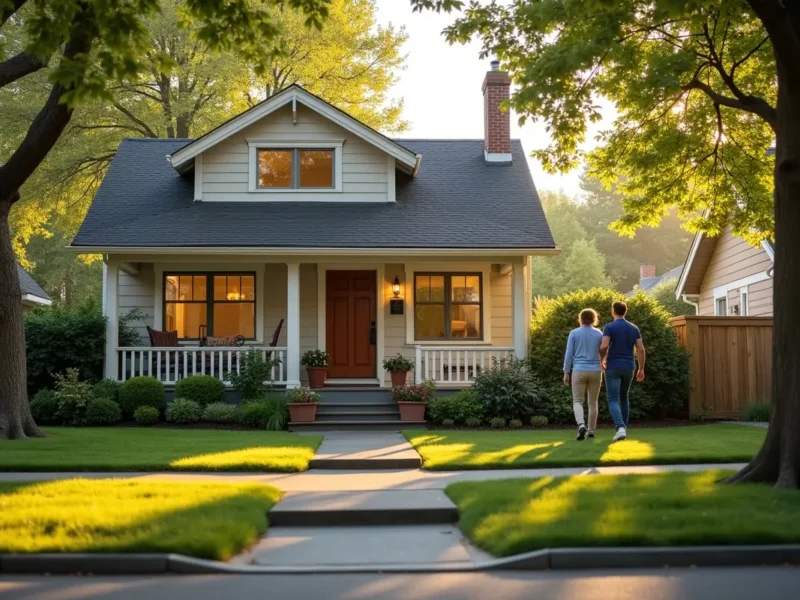
Orange County is not one uniform housing market. A move of just a few miles can change the climate, lot size, architectural style, commute pattern, and monthly cost of ownership. Buyers comparing Newport Beach with Ladera Ranch, or Laguna Beach with Mission Viejo, are often deciding between two distinctly different versions of Southern California living.
For neighborhood-level guidance, Ladera Ranch real estate expert Meghan Vittetoe offers property search tools, neighborhood information, home valuation resources, and buying and selling guidance for Southern California buyers. Meghan Vittetoe serves areas including Ladera Ranch and coastal communities such as Newport Beach, bringing a practical perspective to comparisons involving lifestyle, property types, and local market conditions.
Why Buyers Need a Coastal Versus Inland Comparison
Two homes with similar square footage can deliver very different daily experiences. A coastal condo may put restaurants, beaches, and harbor paths close by, but come with limited storage or parking. An inland single-family home may provide a larger garage, yard, office space, and community pools, but require more driving for work or ocean access.
The question is not simply whether one location is better. It is whether you are paying for proximity, privacy, home size, convenience, or a blend of all four. Starting with that distinction helps prevent a beautiful listing from distracting you from the realities of ownership.
Coastal Living: What Buyers Usually Gain
Communities such as Newport Beach, Corona del Mar, Laguna Beach, Dana Point, and other beach-adjacent areas appeal to buyers who want the coast integrated into everyday life. Beach walks, boating, outdoor dining, waterfront trails, and ocean views can become part of the weekly routine rather than an occasional destination.
- Cooler summer conditions and frequent ocean breezes.
- Closer access to beaches, marinas, shops, restaurants, and recreation.
- Strong appeal for homes with views, walkability, or waterfront proximity.
- A range of housing styles, from cottages and condos to townhomes and custom estates.
- A distinctive lifestyle that may support long-term resale interest among buyers seeking a coastal setting.
Coastal Trade-Offs to Consider
Coastal proximity often carries a premium. In established beach communities, buyers may find smaller lots, older homes, tight parking, or fewer large garages. Salt air, wind, moisture, and intense sun can also increase the need for routine care of exterior paint, windows, metal fixtures, roofing, and landscaping. Review insurance estimates early, particularly for homes near water, on hillsides, or in areas with specialized risk considerations.
Inland Living: What Buyers Usually Gain
Inland and South Orange County communities such as Ladera Ranch, Mission Viejo, Irvine, Rancho Santa Margarita, and Yorba Linda can offer a different value proposition. Buyers may find more interior space, larger lots, newer construction, and neighborhood amenities within the same broad budget range.
- More options for garages, home offices, flexible rooms, and outdoor living spaces.
- Master-planned neighborhoods with parks, trails, pools, clubhouses, and events.
- Newer floor plans that may better support remote work, guests, or multigenerational living.
- Potentially easier parking and more room for storage, hobbies, and recreation equipment.
- A wider choice of homes designed around community amenities and family-oriented routines.
Inland Trade-Offs to Consider
Warmer summer afternoons can increase air-conditioning use, and a beach trip, airport run, or commute to a coastal employment center may take longer than expected during peak traffic. Newer communities can also involve HOA dues, special assessments, or Mello-Roos taxes. Mature landscaping, walkable commercial districts, and established local character may vary from one development to another.
Compare the True Monthly Cost
Do not compare homes using the mortgage payment alone. Build a simple monthly worksheet for every serious contender that includes:
- Principal and interest on the loan.
- Property taxes and any supplemental tax planning.
- Homeowners insurance and any additional coverage considerations.
- HOA dues, including what services and amenities they cover.
- Mello-Roos or other special assessments.
- Utilities, especially seasonal cooling costs.
- Expected repairs, landscaping, and exterior maintenance.
- Fuel, tolls, parking, and commute expenses.
Before writing an offer, use the Orange County Tax Map to review property-specific tax data and identify potential special assessments. This extra step can reveal costs that are easy to miss when buyers focus only on the list price.
How Climate Changes the Home Search
Climate affects comfort and maintenance. Coastal marine air may reduce summer heat, but can create moisture and salt-air exposure. Inland locations can be warmer and sunnier, making insulation, window orientation, HVAC condition, shade, and outdoor living design more important. For every property, ask about roof age, drainage, stucco condition, windows, air-conditioning, and any hillside or wildfire-related considerations. Visit at more than one time of day whenever possible.
Commute and Daily Routine Checklist
- Drive the work route during the hours you would actually travel.
- Check access to schools, childcare, groceries, healthcare, freeways, toll roads, rail, and John Wayne Airport.
- Consider how often you realistically use beaches, trails, shopping districts, and community facilities.
- Decide whether saving ten minutes on a daily trip is worth trading away bedrooms, yard space, or newer construction.
What to Check Before Making an Offer
Review recent comparable sales rather than relying only on active listings. Confirm taxes, HOA obligations, special assessments, insurance estimates, disclosures, inspection findings, school boundaries, and nearby planning activity. The Orange County Mello-Roos information page is also useful for understanding how community facilities district charges can appear in county property records.
Quick Decision Guide for 2026 Buyers
- Choose coastal living if beach access, cooler weather, walkability, and a waterfront-oriented lifestyle are central priorities.
- Choose inland living if additional space, newer construction, planned amenities, and flexible layouts matter most.
- Compare both carefully if you work remotely, have a flexible commute, or can trade location for square footage.
- Pause and recalculate if HOA dues, taxes, insurance, or commute expenses significantly change the total monthly cost.
Frequently Asked Questions
Are coastal Orange County homes always more expensive?
Not always. Coastal proximity can add value, but price also depends on condition, lot size, views, property type, neighborhood, parking, and school boundaries.
Is inland Orange County better for families?
Many inland communities offer parks, pools, trails, and larger floor plans, but the right fit depends on each household’s commute, school preferences, lifestyle, and space needs.
Should buyers focus on location or home size?
Both matter. Location shapes daily convenience and resale appeal, while size determines comfort and flexibility. The right choice is the one that fits how you will actually live in the home.
Conclusion
The best Orange County home is not automatically the largest, newest, or closest to the beach. It is the home that fits your budget, routine, priorities, and longer-term plans. Compare total ownership costs, climate, commute realities, neighborhood character, and resale appeal before deciding whether coastal or inland living is the better fit.