The landscape of home and commercial comfort has changed significantly over the last few years. As we move through 2026, the focus has shifted from simply keeping a building warm or cool to doing so with precision and minimal environmental impact. The primary driver of this change is the adoption of efficient systems heating & cooling that prioritize energy conservation without sacrificing the quality of the indoor environment.
With energy prices fluctuating and new environmental regulations coming into effect, many property owners are looking at their aging HVAC units and wondering if now is the time for an upgrade. The answer is often tied to the long-term value that modern technology provides. In this guide, we will explore the technical, financial, and environmental reasons why high-efficiency systems are no longer a luxury but a necessity for the modern property owner.
Key Trends Defining Efficient Systems Heating & Cooling
Several technological leaps have made 2026 a landmark year for the industry. From the way refrigerants are handled to the integration of artificial intelligence, the current generation of equipment is more capable than anything seen in the previous decade.
- Variable Speed Technology: Unlike older models that operate on an all-or-nothing basis, modern units use inverter-driven compressors. This allows the system to scale its output up or down based on the actual demand, leading to steadier temperatures and lower utility bills.
- Low-GWP Refrigerants: Following the 2025 mandates, most new equipment now uses refrigerants like R-32 or R-454B. These substances have a much lower Global Warming Potential, making them a cornerstone of sustainable building design.
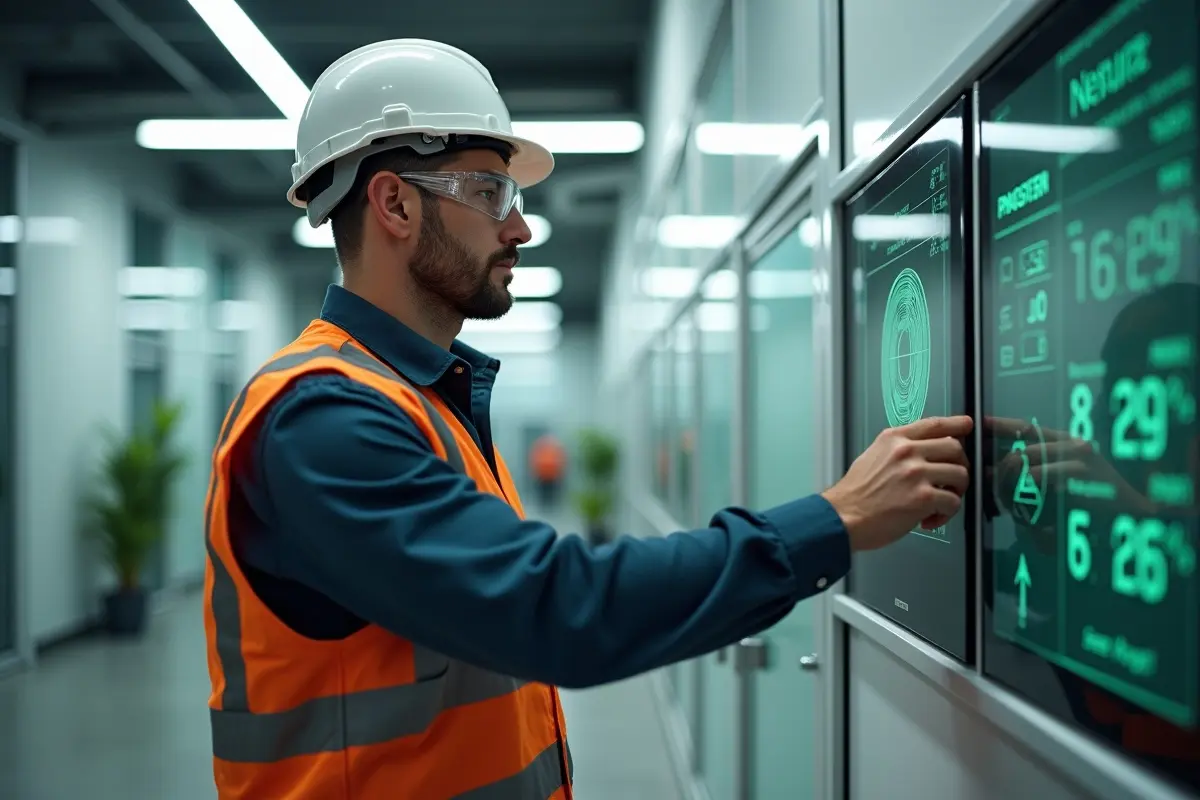
- Smart Building Integration: Today’s thermostats do more than just hold a schedule. They use sensors to detect occupancy, monitor outdoor air quality, and even predict when a component might fail before it actually breaks down.
- Zoned Climate Management: Instead of heating an entire house to keep one bedroom warm, modern dampers and multi-head split systems allow for room-by-room control, significantly reducing wasted energy.
The Role of Heat Pumps in Modern Infrastructure
One of the most significant shifts in 2026 is the mainstream adoption of heat pumps. While they were once considered suitable only for moderate climates, advancements in cold-climate technology have made them a viable primary heat source even in freezing northern regions. This is largely due to vapor injection technology and improved coil designs that allow the units to extract heat from outdoor air even when temperatures drop well below zero.
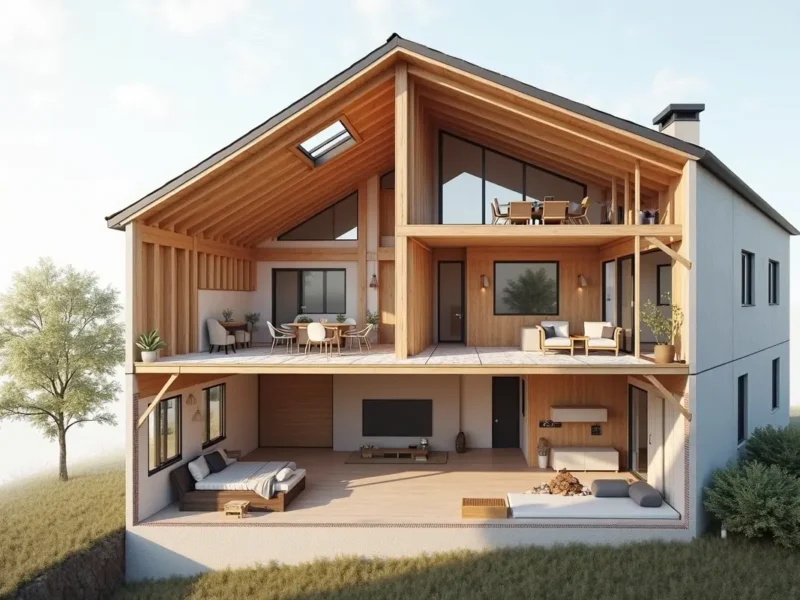
Because these units move heat rather than generate it through combustion, they represent the pinnacle of efficient systems heating & cooling. By pairing a high-performance heat pump with a well-insulated building envelope, many homeowners are finding they can eliminate their reliance on fossil fuels. This electrification of everything movement is a major trend in 2026, supported by both local governments and national energy policies.
The Economic Impact: ROI and Incentives
When considering an upgrade, the initial sticker price can be daunting. However, the 2026 financial landscape for HVAC is very different from what it was five years ago. High-efficiency systems are now supported by a robust framework of tax credits and rebates designed to offset the green premium.
In many regions, the return on investment (ROI) for a high-efficiency heat pump is now under seven years. When you factor in the rising cost of natural gas and heating oil, the monthly savings on utility bills often cover the financing costs of the new system. Furthermore, many utility companies now offer demand response programs. These programs pay homeowners to let the utility slightly adjust their thermostat during peak grid stress, which is only feasible with smart, efficient systems that can recover temperature quickly without a massive spike in energy use.
Benefits of Upgrading Your System
Upgrading to a high-efficiency system is an investment that pays dividends in several areas:
- Reduced Monthly Expenses: High-SEER2 and HSPF2 ratings mean your equipment draws less power from the grid to achieve the same results.
- Enhanced Indoor Air Quality: Newer systems often feature better filtration and humidity control, which is essential for respiratory health and overall comfort.
- Increased Property Value: Homes equipped with the latest energy-efficient tech are highly desirable in the 2026 real estate market.
- Access to Incentives: Federal tax credits and local utility rebates remain available for those who choose qualifying high-efficiency models.
- Noise Reduction: Modern inverter-based systems operate at much lower decibel levels, reducing the clank and hum associated with older outdoor units.
Maximizing Performance Through Proper Installation
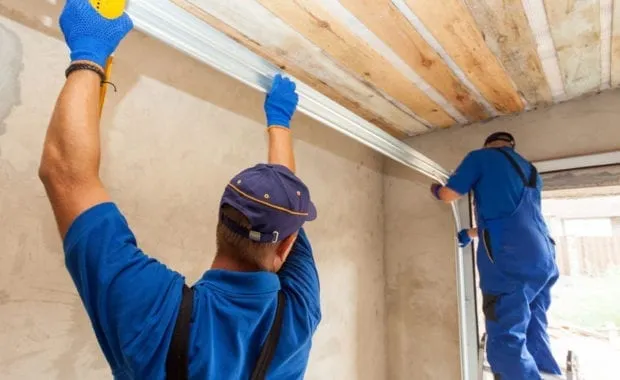
Even the most advanced equipment will underperform if it is not sized and installed correctly. In 2026, professional contractors utilize sophisticated software to perform precise load calculations, often referred to as Manual J calculations. This ensures that the unit is not oversized, which causes frequent cycling and wear, or undersized, which leads to a constant struggle to maintain comfort.
Furthermore, the transition to new A2L refrigerants requires specialized training. Ensuring your technician is certified to handle these mildly flammable but highly efficient substances is a critical safety step for any modern installation. A sealed system approach, where ductwork is tested for leaks during the installation of efficient systems heating & cooling, ensures that the conditioned air actually reaches the rooms it is intended for rather than escaping into the attic or crawlspace.
Maintaining Your Investment
To keep efficient systems heating & cooling running at peak performance, a proactive maintenance schedule is essential. Technology has made this easier than ever. Many systems now come with remote monitoring capabilities that send alerts directly to your smartphone or your service provider if a filter is clogged or a motor is drawing too much current.
- Change filters every one to three months, depending on usage and air quality. High-MERV filters are recommended for modern systems to capture fine particulates.
- Keep outdoor units clear of debris, leaves, and snow to ensure proper airflow across the heat exchanger coils.
- Schedule bi-annual professional inspections—once before the heating season and once before the cooling season—to check refrigerant levels and electrical connections.
- Update system firmware regularly to take advantage of new efficiency algorithms and smart features provided by the manufacturer.
- Monitor your energy dashboard. If you see a sudden spike in usage without a change in weather, it may indicate a component is struggling.
The Science of Airflow and Duct Integrity
One often overlooked aspect of efficient systems heating & cooling is the delivery mechanism. In 2026, we understand more than ever that a high-efficiency furnace or air conditioner is only half the battle. If your home has leaky or uninsulated ducts, you could be losing up to 30% of your energy before the air ever reaches your living space.
Modern energy audits now use thermal imaging and blower door tests to identify these invisible losses. By sealing ducts with specialized aerosol sealants or improving insulation around the trunk lines, property owners can ensure that their high-tech HVAC investment isn’t working harder than it needs to. This synergy between the machine and the home’s structure is what defines true 2026 energy efficiency.
Looking Ahead to 2027 and Beyond
The push toward net-zero buildings continues to influence the HVAC market. We are seeing more integration between HVAC systems and renewable energy sources like rooftop solar and battery storage. In these setups, the heating and cooling system becomes a dynamic part of the home’s energy ecosystem, shifting its load to times when renewable production is highest.
As we look toward the future, the goal remains clear: creating indoor spaces that are healthy, comfortable, and sustainable. By choosing efficient systems heating & cooling, you are not just buying a piece of hardware; you are choosing a smarter way to live. The systems of 2026 are quieter, cleaner, and more reliable than ever before, proving that we don’t have to choose between personal comfort and the health of the planet.