Technology is revolutionizing the real estate industry in ways that were unimaginable just a decade ago, fundamentally transforming how properties are bought and sold. Today, a wide array of digital tools and platforms empower buyers, sellers, and real estate professionals to interact with the market more efficiently and transparently than ever before.
From sophisticated virtual tours that offer an immersive experience of a property without ever setting foot inside, to AI-driven analytics that generate deep insights on pricing and demand, modern technology is reshaping every part of the transaction process. For example, Winter Park CO real estate agents The Simple Life Colorado leverage innovative digital tools to provide their clients with extensive market data and seamless communication.
By combining cutting-edge technology with their intimate knowledge of Colorado’s unique mountain communities, The Simple Life Colorado designs bespoke strategies to simplify transactions and enable clients to make informed, confident real estate decisions.
Virtual Tours: Bringing Properties to Life
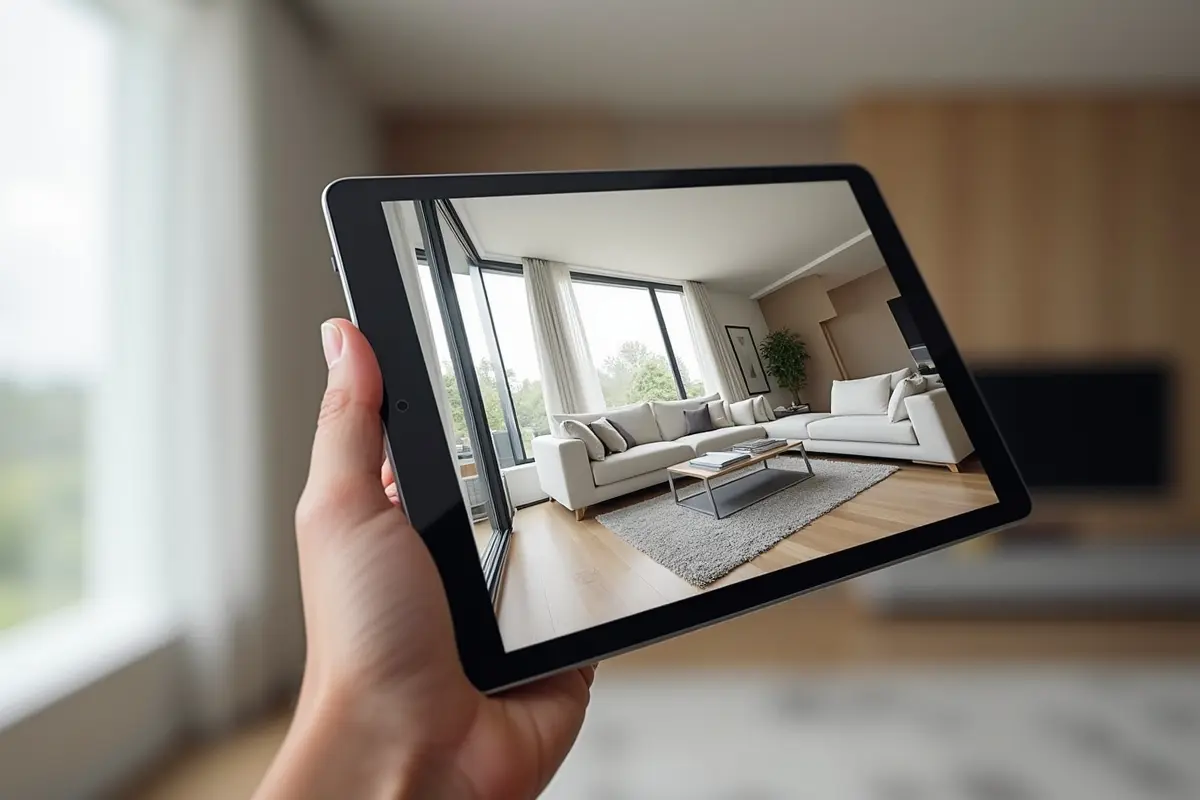
Gone are the days when buyers had to spend countless hours driving from property to property, often scheduling viewings around busy lives or traveling long distances. Virtual reality (VR) and augmented reality (AR) technologies now allow potential buyers to take highly immersive tours of homes from the comfort of their couches.
With just a smartphone, tablet, or VR headset, users can “walk” through homes, experiencing a true sense of space and flow without ever stepping inside. These digital walkthroughs use high-definition imagery and interactive features, enabling prospective buyers to examine details, open closets, step out onto decks, and even visualize what their own furniture might look like in a new space.
Real estate agents and sellers benefit too, as virtual tours make listings accessible to buyers worldwide, greatly expanding the pool of interested parties and reducing the number of in-person showings required. As a result, properties marketed with VR or AR experiences often attract more attention, leading to faster sales and more satisfied clients.
AI and Predictive Analytics: Smarter Decision-Making
Artificial intelligence (AI) is rapidly becoming the backbone of intelligent decision-making in real estate. By leveraging machine learning algorithms and vast datasets spanning historical sales records, neighborhood trends, current listings, and economic indicators, AI-driven tools uncover patterns invisible to the human eye. This technology can forecast price shifts, identify up-and-coming neighborhoods, and even anticipate which homes will likely sell fastest.
For buyers and sellers alike, AI can offer hyper-personalized recommendations based on lifestyle preferences, commuting needs, and budgetary constraints. Real estate agents can harness these insights to tailor their services, recommend ideal properties, or strategically market listings to the right audience. In competitive markets where timing and pricing are everything, having access to these analytical tools often makes the difference between winning and losing a deal.
Blockchain: Secure and Transparent Transactions
Blockchain technology is introducing a new era of transparency, security, and efficiency in real estate transactions. Traditionally, the process of buying or selling property involves many intermediaries, agents, escrow companies, title firms, and mounds of paperwork, creating opportunities for mistakes and fraud. Blockchain changes this by enabling “smart contracts”: self-executing agreements whose terms are written directly into code. These contracts automatically trigger the transfer of ownership and funds once all conditions are met, drastically reducing transaction times and the likelihood of human error.
Because blockchain transactions are recorded in an immutable digital ledger accessible to all parties, buyers and sellers can trust that records are accurate and tamper-proof. Additionally, blockchain makes it easier to verify ownership claims, record liens or encumbrances, and even automate routine administrative tasks, making real estate deals safer and more efficient for everyone involved.
Online Platforms and Mobile Apps: Real Estate at Your Fingertips
Online real estate platforms have dramatically changed how people search for, view, and purchase properties. Comprehensive digital marketplaces now bring together thousands of listings in one convenient online portal, complete with photos, detailed descriptions, and virtual tours. Interactive map features enable buyers to compare neighborhoods, analyze school ratings, check commute times, and visualize proximity to amenities.
With mobile apps, this entire experience is available on the go. Users can quickly search for properties that match their criteria, schedule showings, chat in real time with agents, and even submit offers with a tap. Push notifications can alert interested buyers to new listings that fit their wishlists within minutes of them hitting the market, giving users a competitive edge.
Sellers and their agents also benefit from powerful tools to track listing performance, manage inquiries, and streamline communication, making the real estate experience more convenient, responsive, and transparent for all parties involved.
Smart Homes: The Future of Living
The growing demand for sustainable, connected living spaces is driving a major shift in real estate trends. Smart homes—once considered a futuristic luxury- are quickly becoming the standard for modern living. Today’s buyers often seek properties equipped with energy-efficient appliances, integrated security systems, smart thermostats, and voice-activated lighting that can be managed remotely. These features not only offer convenience but also deliver significant long-term cost savings, an attractive proposition in a world where energy efficiency and sustainability are becoming increasingly important.
For sellers, upgrading a property with smart technology can enhance its appeal and raise its market value. As awareness of environmental issues grows, buyers are increasingly on the lookout for homes designed to reduce their carbon footprint or make use of renewable energy, pushing the real estate market toward greener solutions and smarter infrastructure.
Real Estate Crowdfunding: Democratizing Investment
Traditionally, investing in real estate required significant capital, excluding many would-be investors from participating in this lucrative market. Today, technology has democratized access through real estate crowdfunding platforms, allowing individuals to pool resources and invest in property with much smaller sums. By lowering the entry barrier, these platforms enable anyone to participate in real estate ventures that were once available only to institutional investors or wealthy individuals.
Investors can browse projects to find opportunities that match their financial goals and risk tolerance, diversifying their portfolios with real estate assets without the complexity or responsibility of direct ownership. This innovation is making real estate investing more inclusive, transparent, and dynamic, reshaping how projects are funded and who benefits from market growth.
3D Printing: Revolutionizing Construction
3D printing technology is advancing rapidly in construction, promising to revolutionize how homes and buildings are built. Using large-scale printers, contractors can construct structural components or even entire homes with remarkable efficiency. The process enables precise design, waste reduction, and customization that would be difficult or costly to achieve with traditional building techniques.
Not only does 3D printing accelerate construction timelines and thereby reduce labor costs, but it also offers exciting new possibilities for affordable housing. Innovative builders around the world are now experimenting with 3D-printed communities, showing that high-quality, sustainable, and affordable homes can be produced at scale, helping to address housing shortages in many regions.
Final Thoughts
There is no doubt that technology is fundamentally altering the real estate industry, driving greater efficiency, transparency, and inclusivity. The digital tools, platforms, and innovations now available not only streamline the process of buying and selling property but also unlock opportunities that were previously out of reach for many.
As these technologies continue to mature, clients and professionals alike can look forward to a real estate experience that is more flexible, responsive, and user-friendly. Embracing digital transformation will shape the industry’s future and ensure that buyers and sellers enjoy the highest possible service standards in the years ahead.