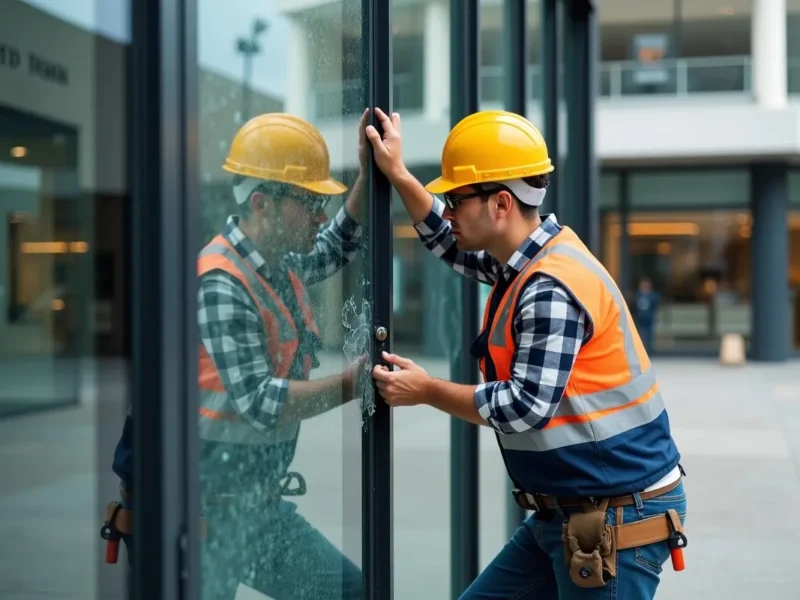
Regular home maintenance is a crucial part of homeownership. It not only preserves the value of your property but also ensures your family’s safety and comfort. By noticing and resolving smaller concerns promptly, you can save yourself time, stress, and significant expense in the long run. If you are seeking a trusted handyman for tasks beyond your expertise, localized professionals can help maintain your home efficiently.
Staying ahead of maintenance needs means addressing issues before they grow into major repairs. Systematic upkeep extends the longevity of your home’s structure and systems, reducing the likelihood of emergencies. For many homeowners, finding support for tasks that require specialized equipment or knowledge ensures that even routine chores are completed correctly.
In addition to traditional repair needs, outdoor spaces also require routine attention. This makes services like a landscaper invaluable for creating curb appeal and protecting your property’s exterior investment.
Importance of Regular Home Maintenance
Failing to keep up with routine home maintenance can quickly lead to more severe issues that are expensive and disruptive to repair. For example, a seemingly minor roof leak can eventually cause rotting wood and mold growth in your attic and walls, potentially costing thousands of dollars to fix. Regular inspections help spot deterioration early, protecting your investment and extending the useful life of every part of your home.
Common Areas Requiring Regular Maintenance
Certain areas in every home consistently require attention to prevent gradual damage:
- Roof and Gutters: Checking for cracked shingles, debris, or clogged downspouts prevents water infiltration and foundation damage.
- HVAC Systems: Cleaning or replacing filters and scheduling annual servicing keeps air quality high and reduces costly breakdowns.
- Plumbing: Inspecting visible pipes and fixtures for leaks forestalls water damage and helps control mold.
- Electrical Systems: Examining wiring and outlets reduces the risk of fire and power outages.
- Appliances: Regular cleaning and maintenance extend the life of stoves, refrigerators, washing machines, and more.
Seasonal Maintenance Checklist
Some maintenance tasks are best handled seasonally. This approach ensures your home is prepared for changing weather and environmental needs throughout the year.
Spring
- Inspect the roof for signs of damage from winter storms.
- Clean gutters and downspouts to support proper drainage.
- Service the air conditioning to prepare for warmer weather.
- Check for signs of pests that may have entered during colder months.
Summer
- Test smoke and carbon monoxide detectors to ensure household safety.
- Clean and repair decks, patios, and other outdoor living spaces.
- Trim trees and shrubs to protect the home from storm damage.
Fall
- Inspect and clean the heating system before winter arrives.
- Seal cracks around windows and doors to improve insulation.
- Drain hoses and store outdoor spigots and equipment.
Winter
- Watch for ice dams that can damage the roof and eaves.
- Monitor for interior condensation and adjust humidity as needed.
- Inspect basements and attics for leaks after heavy precipitation.
Financial Benefits of Proactive Maintenance
Allocating a small budget and a bit of time each year to regular maintenance pays off by preventing major repairs. Studies indicate that a well-maintained home sees fewer emergency service calls and retains its market value better over time. Keeping HVAC, plumbing, and electrical systems in good working order also helps reduce monthly utility costs by ensuring efficiency and reliability.
Safety and Health Considerations
Neglecting maintenance can expose homeowners to hazards like electrical fires and gas leaks. Regularly testing and maintaining smoke and carbon monoxide alarms, as well as keeping dryer vents clear, minimizes risk. Addressing leaks and poor ventilation early limits mold growth and improves indoor air quality, protecting children and adults alike from respiratory issues. For more information on mold prevention and control, visit the United States Environmental Protection Agency.
Creating a Home Maintenance Schedule
A systematic approach to home care reduces the risk of missing a crucial task. Begin by listing all key home components and systems. Assign specific maintenance or inspection tasks to each item. Note how often each task is needed, and create reminders using a digital calendar or a dedicated logbook. Keeping records of completed maintenance provides valuable documentation for future repairs and can be useful if you decide to sell your home.
When to Call Professionals
DIY home maintenance is possible for many tasks, but certain jobs require certified experts. Electrical work, major plumbing repairs, foundation reconstruction, and roof replacement are best left to those who have the right training and equipment. By working with licensed professionals in these cases, homeowners can ensure repairs are done safely and correctly, often protecting their warranties or insurance coverage.
Conclusion
Routine attention to your home’s needs is a smart investment. Taking simple steps on a predictable schedule prevents escalating repair costs, enhances daily comfort, and keeps your home a secure haven for your family. Whether you do the work yourself or hire a qualified professional, consistent home maintenance is a practical and effective way to protect your most important asset.