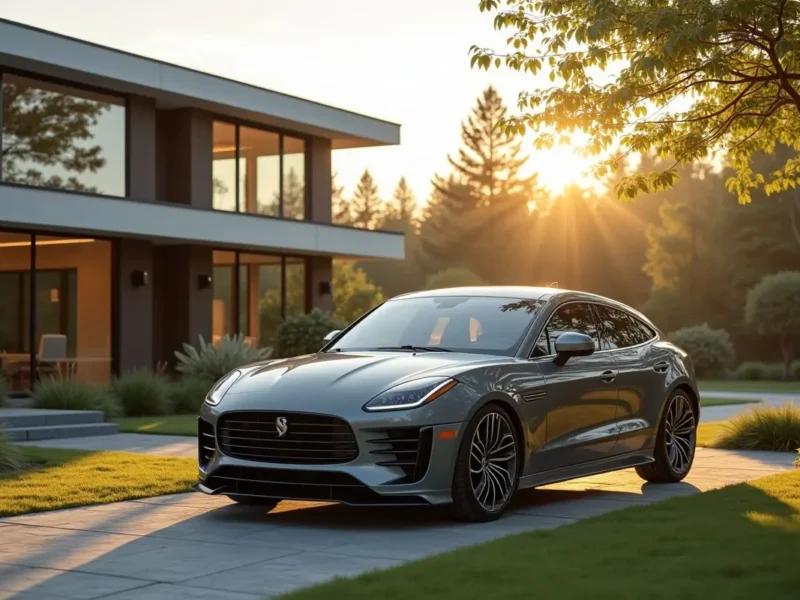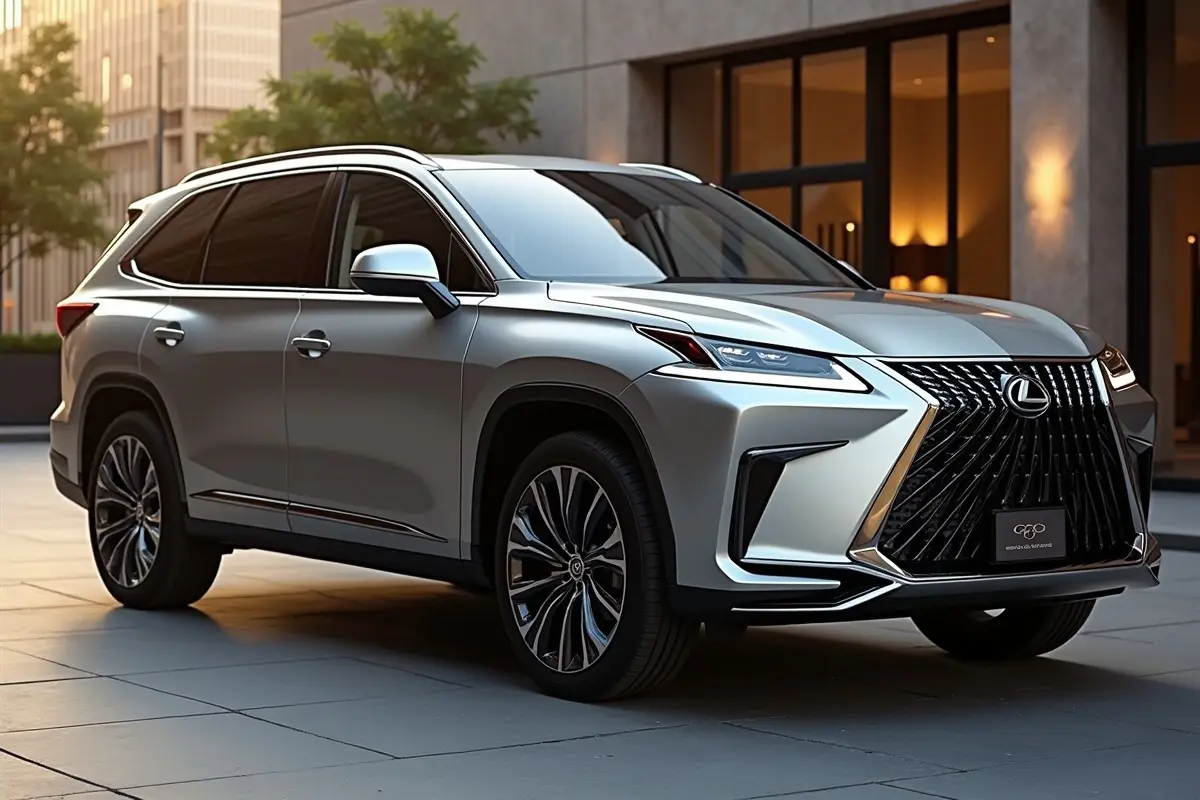
Finding the perfect car involves more than just picking a make or model. Your daily activities, plans, and personal preferences all play a significant role in determining which type of vehicle will provide the most value and satisfaction. From city commutes to family road trips, understanding how your vehicle fits into your life ensures a rewarding ownership experience. Learn More about how to align your next vehicle purchase with your unique lifestyle needs.
With a wide range of options on the market, making an informed choice can feel overwhelming. However, taking time to identify your key requirements and compare different vehicles will help narrow the options. The best car for you should strike a balance between practicality, comfort, and efficiency, all while considering your budget and safety concerns. By using this guide, you’ll be better equipped to choose a car that genuinely enriches your daily life.
As you consider your purchase, it is essential to look into current automotive trends and consumer guidance. Respected sources like Consumer Reports’ Car Buying Guide can provide additional insights on reliability and ownership satisfaction across various makes and models.
Assess Your Driving Needs
The first step toward choosing a new vehicle is understanding how you will use it. Are most of your drives short commutes in busy city streets, or do you regularly travel long distances on highways? Your driving environment, the number of regular passengers, and the type of cargo you carry all influence which vehicle style best meets your requirements.
- Commute Distance: Those who drive mainly in urban settings may benefit from a smaller, more maneuverable car, while rural drivers exposed to longer stretches may prefer vehicles with better highway comfort and fuel range.
- Passenger Capacity: Solo urban drivers may only need a compact model, whereas families or those who often carpool should consider SUVs or minivans with expanded seating.
- Cargo Space: Regularly hauling sports equipment, strollers, or large items? Look for hatchbacks, crossovers, or vehicles with fold-down seats for flexibility.
- Performance Requirements: If you live in a harsh-weather area or need to tow, prioritize options with all-wheel drive, advanced traction controls, or higher towing capacity.
Understanding your primary and secondary needs allows you to filter out vehicles that are either over-equipped or underpowered for your lifestyle. Consulting resources like Edmunds’ Car Buying Guide can also help clarify your options when you’re defining your driving profile.
Consider Fuel Efficiency
Fuel economy plays a significant role in ownership costs, and it is even more critical given the current variability in gas prices. Ask yourself: Do you need a car for long, regular commutes, or will you primarily be driving short distances? That answer should guide your powertrain choice:
- Gas-Powered Vehicles: These are still ideal for drivers who need to cover long distances or live in regions with sparse public charging stations.
- Hybrid Vehicles: Hybrids offer impressive fuel savings during city stop-and-go travel and are a great compromise if you frequently switch between city and highway routes.
- Electric Vehicles (EVs): For urban dwellers with reliable access to charging, EVs offer an eco-friendly, low-cost-per-mile solution, especially as more manufacturers expand their EV lineups.
According to a recent J.D. Power survey, a large share of buyers now prioritize fuel savings when choosing a vehicle. This trend is expected to continue as fuel efficiency standards and eco-conscious consumer behavior continue to rise.
Evaluate Safety Features
Safety should always be at the forefront of a vehicle purchase. Modern cars are designed with an array of technologies intended to prevent accidents and minimize injury. Popular features include:
- Automatic emergency braking
- Pedestrian detection
- Blind-spot monitoring
- Adaptive cruise control
- Lane-keeping assistance
When choosing a vehicle, review its crash-test scores from institutions such as the National Highway Traffic Safety Administration (NHTSA) or the Insurance Institute for Highway Safety. Models that earn top marks deliver peace of mind for you and your passengers.
Budgeting for Your Vehicle
Your ultimate choice must fit your financial reality, not just your wish list. A well-balanced budget covers the initial purchase, whether through a loan, lease, or cash, as well as ongoing expenses that impact your total cost of ownership.
- Monthly loan or lease payments
- Insurance premiums, which can vary based on model and safety features
- Estimated annual repair and maintenance costs, which differ across brands and vehicle types
- Out-of-pocket costs for fuel or, for EVs, home and public charging
- Vehicle depreciation, which affects your overall investment
Carefully weigh whether financing, leasing, or an outright purchase offers the most flexibility for your personal and professional plans. Smart budgeting ensures you enjoy your vehicle without straining your long-term finances.
Research and Test Drive
The last stage before purchase is a hands-on evaluation. By researching online reviews, professional road tests, and owner feedback, you can identify which vehicles truly deliver on their promises. Brands often vary widely in comfort, technology, and reliability.
- Comfort and Ergonomics: Ensure seats provide adequate support and that controls are easy to access.
- Handling and Performance: Test steering, braking, and ride quality on different road types.
- Visibility and Ease of Parking: Try parking maneuvers and check for blind spots or sightline issues.
- Infotainment and Connectivity: Systems should sync easily with your devices and offer intuitive navigation.
A test drive is invaluable for revealing subtle pros and cons that may not be clear from specs or photos. Take your time comparing at least two or three contenders to choose the car that feels right for you.
Conclusion
Choosing the right vehicle is a thoughtful process that touches every aspect of your daily routine. By evaluating your driving habits, fuel preferences, safety priorities, and financial situation, and by thoroughly researching and test-driving your top options, you can make a decision that aligns with your lifestyle and delivers daily satisfaction for years to come.