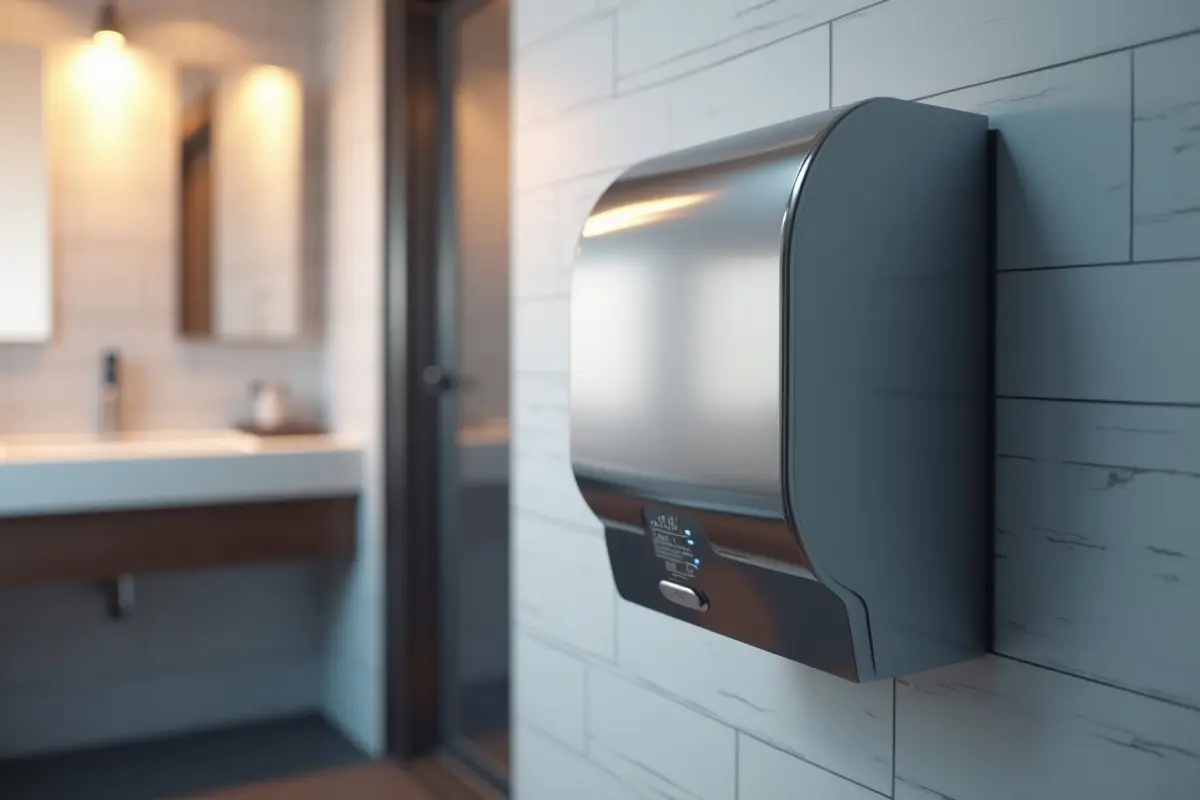
In today’s fast-paced world, commercial buildings must prioritize efficient and hygienic hand drying. Not only does this improve the guest experience, but it also plays a crucial role in maintaining public health.
Businesses seeking to implement the latest technology often consider advanced solutions like the U-flow hand dryer, which combines speed, hygiene, and sustainability in one robust device. With the evolution of new technologies, facilities now have more options than ever before to create cleaner and more eco-conscious restrooms.
As sustainability and hygiene become non-negotiables for businesses and public venues, choosing the right hand drying method has never been so important. Modern hand dryers not only offer practical benefits, such as energy savings and rapid dry times, but also aid in combating the spread of germs—an essential consideration for any commercial space.
Investing in reliable, touchless technology provides peace of mind for both operators and restroom visitors. Furthermore, making the right hand dryer choice can enhance your brand’s reputation for cleanliness and modernity. This guide provides essential information on contemporary hand drying solutions, enabling you to deliver the best possible restroom experience.
For further context on public health best practices related to restroom hygiene and hand drying, refer to the resources provided by the Centers for Disease Control and Prevention (CDC).
Importance of Effective Hand Drying
Drying hands thoroughly is just as important as handwashing. Damp hands facilitate the transfer of bacteria, increasing the likelihood of germ spread in high-traffic restrooms. Efficient hand drying promotes overall hygiene, which is particularly essential in settings such as schools, hospitals, restaurants, and office environments.
Commercial sites that facilitate quick and easy drying ensure greater compliance from users, thereby reducing health risks and enhancing overall satisfaction.
Evolution of Hand Drying Technologies
The history of hand drying in public restrooms began with the use of cloth towels, before transitioning to paper towels and eventually electric hand dryers. Early electric dryers were energy-intensive and slow; however, technological advancements have yielded high-speed models with touchless operation, offering superior hygiene.
Today’s machines also use less energy and integrate user-centered features for a seamless restroom experience. For a detailed overview of how restroom technologies have benefited public spaces, visit the article on Wikipedia about hand dryers.
Key Features of Modern Hand Dryers
- High-Speed Drying: Advanced units can dry hands in as little as 10-15 seconds, streamlining restroom use and reducing congestion.
- Touchless Operation: Motion-activated sensors eliminate the need for physical contact, minimizing the risk of surface contamination.
- Antimicrobial Coatings: Some models are constructed using materials that resist bacterial growth, contributing to a healthier restroom environment.
- Customizable Settings: Options for airflow speed and temperature allow facilities to strike a balance between efficiency, user comfort, and noise control.
These innovations signal a move towards smarter, safer, and more resilient restroom infrastructure in commercial environments.
Energy Efficiency and Sustainability
Modern hand dryers emphasize minimizing energy usage. Notable products, such as the Dyson Airblade, consume up to 80% less energy than traditional models. Advanced dryers are also being designed to comply with green building certifications, supporting larger sustainability goals. In addition to energy savings, eco-friendly hand dryers eliminate paper waste, contributing to landfill reduction and promoting the principles of a circular economy.
Hygiene and Health Considerations
Health security is at the forefront of modern restroom design. HEPA air filtration in hand dryers removes airborne pathogens before the air is blown onto hands, thereby reducing the risk of transmission for viruses and bacteria. Touchless activation further reduces germ spread by eliminating the need for shared buttons or levers, aligning with public health recommendations for low-contact facilities.
Design and User Experience
Today’s hand dryers offer sleek, contemporary designs that blend with most restroom styles, making them suitable for a wide variety of commercial settings. Features like noise-dampening technology and compact forms address specific installation environments, from busy stadiums to quiet office buildings.
Adjustable controls enable settings to be tailored to peak periods, creating a more comfortable and efficient experience for both users and maintenance teams.
Cost Analysis and Maintenance
Switching from paper towels to electric hand dryers offers considerable long-term savings. Facilities can drastically lower expenditures on consumables while also reducing the time and resources spent refilling paper and disposing of waste.
Modern dryers, built with durable components, boast extended lifespans and minimal maintenance schedules, delivering substantial value on investment. Reduced energy and supply costs, combined with streamlined operational requirements, make them ideal for both large and small businesses.
Making the Right Choice for Your Facility
Facilities should assess restroom traffic, user demographics, and budget limitations to determine the most suitable hand drying solution. High-speed, energy-efficient models are ideal for busy locations, while quieter, compact designs may be more appropriate for offices or boutique venues.
Prioritizing touchless and antimicrobial features ensures high levels of hygiene and user confidence. The proper selection not only enhances user satisfaction but also aligns your business with modern sustainability and health standards.
Modern hand drying systems represent the confluence of improved user experience, operational efficiency, and public health innovation. By understanding the capabilities of today’s technologies, facility managers can confidently select solutions that future-proof their restrooms and support broader sustainability and hygiene objectives.