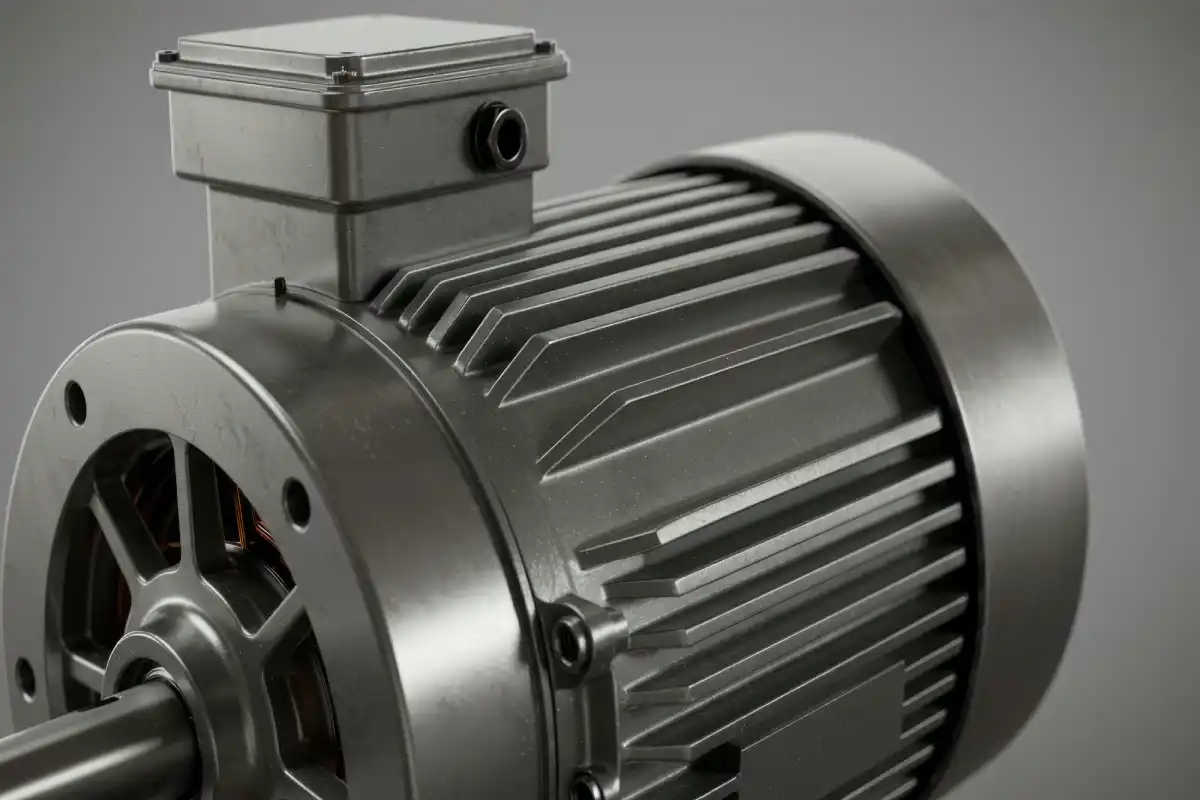
Motion control equipment affects how machines move, react, and complete tasks with accuracy. The right setup keeps processes steady, reduces wasted motion, and helps machines run longer without trouble. These benefits make careful selection an important part of building or upgrading any automated system. When each component works well with the rest of the system, overall performance becomes easier to predict and maintain.
Contents
Core Components That Shape Motion Performance
It helps to understand the hardware that supplies the basic movement. These parts influence speed, force, and how well the machine responds to commands.
Motors Used in Motion Control
Motors play a direct role in how a machine starts, stops, and manages different loads. Common options include brushless DC motors, AC synchronous motors, servo motors, stepper motors, and stepping motors. Each type supports its own style of movement. Servo motors are known for quick reaction times and precise control. Stepper motors, on the other hand, provide steady, simple steps for lighter tasks.
Choosing the right motor type keeps movement smooth and prevents unnecessary strain. The better the match between the motor and the workload, the more consistent the results will be.
How Servo Drives and Drive Modules Support Movement
Servo drives and drive modules help motors deliver controlled torque, speed, and position. They adjust output in real time, which allows for smooth motion even when the machine faces sudden changes in direction or load. A well-matched drive makes the motor more responsive and reduces the chance of overheating or stalling. This pairing forms a large part of what makes a motion system stable.
Key Features To Look For in Motion Control Equipment
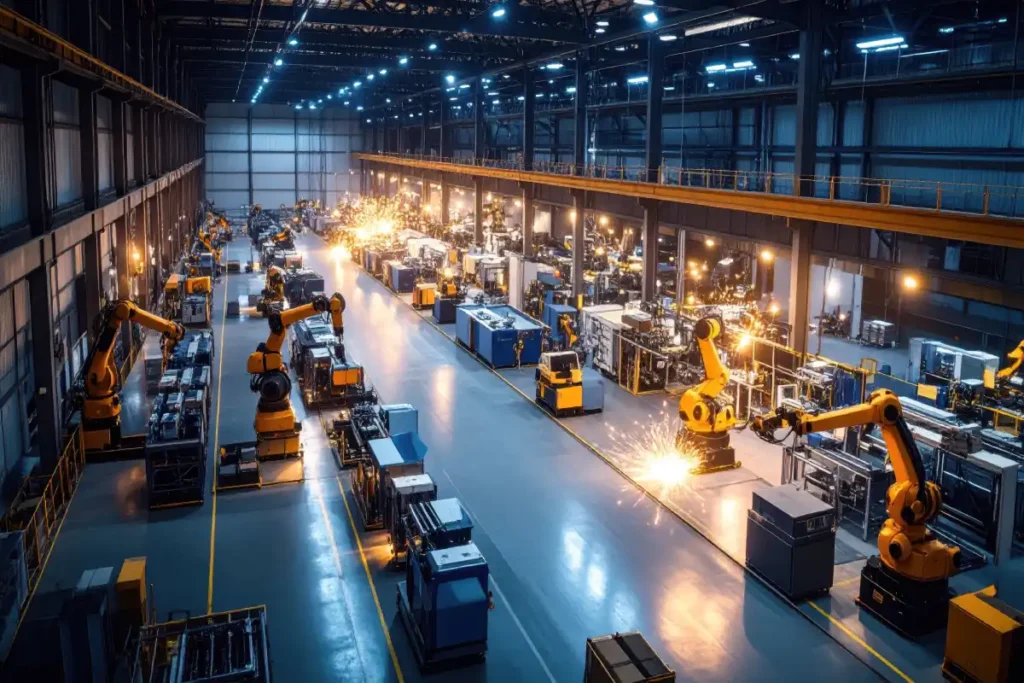
Once the main components are identified, it becomes easier to focus on the features that shape how well the entire system performs.
Accuracy, Stability, and Feedback
Accurate movement depends on the strength of the feedback loop. Encoders, resolvers, and sensors send constant updates about the motor’s position or speed. These signals help the controller correct small shifts before they lead to errors. Strong feedback improves repeatability, which is important for work that needs fine detail. Many machines face challenges with controlled linear travel as well, especially when the application relies on guided motion rather than simple rotation. In these cases, a linear positioning stage can support smoother and more predictable movement where straight-line accuracy is required.
Stability also matters. Features such as signal filtering and error correction help reduce drift and vibration. When these functions are built into the equipment, the system stays more consistent during long operating hours.
Flexibility and Scalability
Production needs often change over time, so motion control equipment should allow room for growth. Expansion options help machines adapt without requiring major redesigns. Extra controller channels, modular drive sections, and additional motor ports all support this flexibility.
Compatibility with different control solutions is also valuable. Equipment that works with a wide range of motion systems gives designers more freedom. This approach benefits original equipment manufacturers that produce several machine models or update their designs frequently.
Integration and Connectivity
Strong communication between components helps motion systems run smoothly. Equipment that supports clear and fast communication reduces delays and improves coordination. Fieldbus options, Ethernet-based protocols, and other industrial network formats all help devices work together.
Software tools are equally helpful. A motion control board with simple setup features and clear diagnostics lets operators identify problems quickly. These tools also make it easier to monitor performance after installation. When adjustments take less time, downtime becomes easier to manage.
OEM-Specific Needs
Every machine handles its tasks differently, so motion control equipment should match the application closely. Load weight, operating speed, travel length, and duty cycles all influence the type of motor or drive required. Machines that carry heavy loads need motors with higher torque, while long operating hours call for components designed for continuous use.
Environmental factors also matter. Heat, moisture, dust, and vibration can shorten the life of sensitive parts. Choosing equipment built for these conditions reduces the chance of early failure. Energy use is another factor, especially for machines that run daily. More efficient motors and drives help lower long-term operating costs.
Safety and Protection Functions
Safety features help protect both operators and equipment. Overload protection can stop a motor before damage occurs. Temperature sensors warn users about parts that are running too hot. Safe-stop functions bring motion to a quick and controlled halt when needed.
These features reduce the chance of major breakdowns. They also help maintain smooth production, since operators can spot issues earlier and address them before they grow into costly problems.
Cost, Maintenance, and Long-Term Value
Price is only part of the decision. Long-term value depends on how easy the equipment is to maintain and how well it holds up over time. Components that allow quick access for inspection or cleaning help reduce service time. Easy access also supports faster troubleshooting.
Spare parts availability matters as well. When replacements are simple to source, repairs become less disruptive. Support resources such as manuals, technical guidance, and software updates also improve long-term value. When the equipment continues to receive support, it becomes easier to keep the system in good condition.
Conclusion
Choosing motion control equipment involves more than selecting motors or drives. It requires attention to feedback quality, integration options, safety functions, and long-term support. When each feature aligns with the machine’s workload and environment, the system runs with greater consistency. Careful selection helps machines perform at a higher level and supports stable results as needs change.