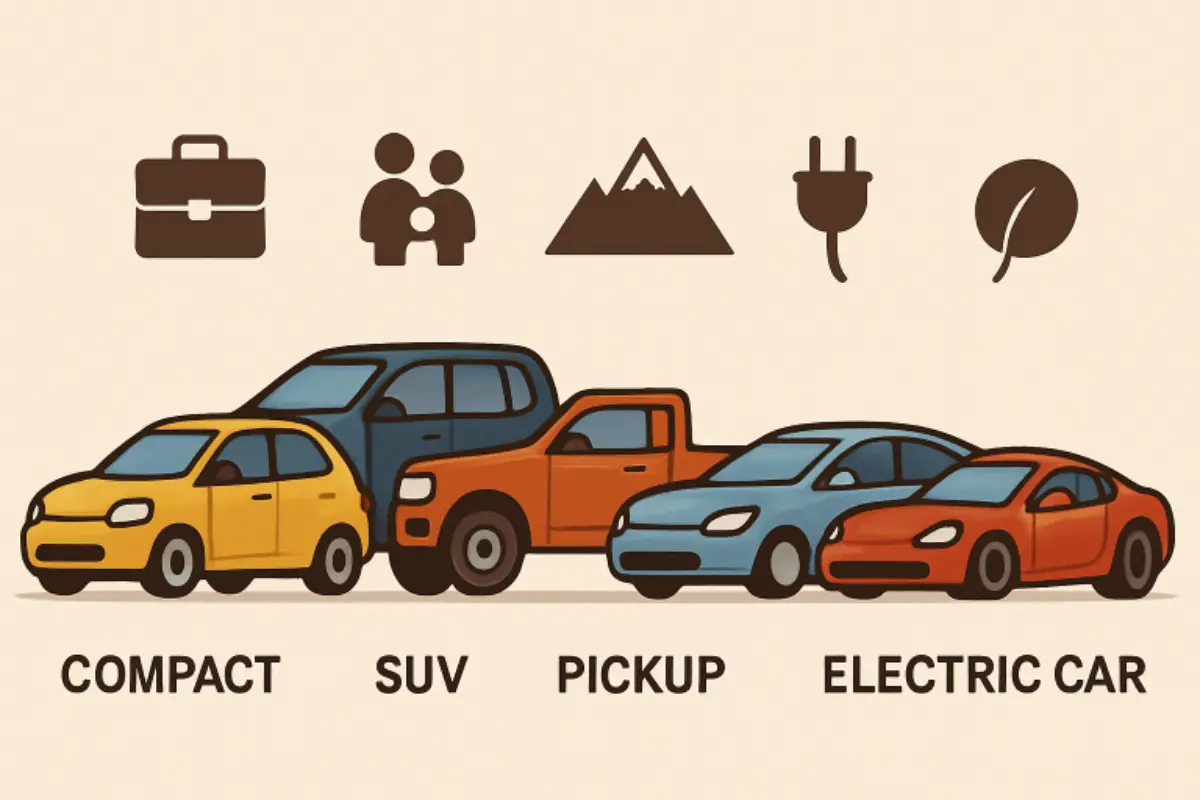
Finding the perfect car goes far beyond looks or speed—securing a vehicle that truly fits your daily life. The automobile market offers a dizzying array of choices, making it essential to focus on the details that matter most to you. Whether your priority is comfort, practicality, or adventure, matching a car to your unique needs will make every drive more enjoyable.
If you’re ready to explore all your options and see the latest models available, learn more today about new vehicles that might suit your lifestyle. Making an informed choice starts with understanding what your regular routines demand from a car. Are you mostly commuting in city traffic, or are long road trips and family outings more your speed? A vehicle well-matched to your lifestyle can save money, offer peace of mind, and turn day-to-day driving into a pleasure rather than a chore.
Assessing Your Transportation Needs
Before you head to the dealership, closely examine your daily schedule and driving demands. Is your commute long or short? Do you often carry passengers or haul sports equipment and groceries? Think about weather and road conditions as well—do you need all-wheel drive or extra clearance for snowy winters or rural trips? Fuel efficiency becomes paramount for those with extended commutes, whereas those with families or team carpools will benefit from roomy interiors and ample storage.
Consider how often you travel, your parking situation, and if you’ll require accessible tech features or towing capabilities. By narrowing down your priorities early on, you create a clear road map to the type of car that will best serve your needs.
Understanding Vehicle Types
The car market is rich with diverse vehicle types, each tailored to accommodate distinct lifestyles:
- Compact Cars are perfect for urban drivers thanks to their nimble maneuvering and excellent fuel economy. They are great for tight city parking and crowded streets.
- SUVs and Crossovers: Favored by families and outdoor enthusiasts who need extra cargo room, flexible seating, and the ability to handle varying road conditions.
- Pickup Trucks: The choice for drivers who regularly haul work equipment, tow trailers, or seek adventurous escapes with gear in tow.
- Electric Vehicles (EVs): EVs are growing in popularity among environmentally minded consumers. They offer lower emissions and often benefit from tax incentives.
- Sports Cars: Built for thrill-seekers and driving aficionados, these cars deliver responsive handling and exhilarating performance.
As you compare types, think about future lifestyle changes. Family expansion, work relocations, or hobby shifts could impact what car suits you best. Investing time upfront can save headaches down the road. For a deeper dive into differences in modern vehicle types, check out this detailed car class breakdown from Consumer Reports.
Key Performance Metrics
Horsepower and Torque
These numbers gauge power and acceleration. More horsepower generally means faster speeds and sportier responses—great if you need a lively drive, but not always necessary for city cruising.
Fuel Economy
Fuel efficiency, measured in miles per gallon (MPG) for gas cars or miles per gallon equivalent (MPGe) for electric models, significantly impacts lifetime costs. Pay attention to combined city/highway ratings to get a realistic sense of savings, especially if you rack up miles each year.
Cargo Space and Passenger Capacity
Evaluate how much room and gear you need for passengers. Check specifications for seat layouts and available trunk or cargo space. Fold-flat rear seats and sliding doors can offer added flexibility, especially for parents or pet owners. For comprehensive performance tips, read this overview by Edmunds on choosing a car.
Evaluating Safety Features
A safe car protects you and everyone you share the road with. Prioritize modern safety advancements such as anti-lock braking systems (ABS), electronic stability control (ESC), and complete airbag coverage. Increasingly, new models are equipped with advanced driver assistance systems (ADAS)—adaptive cruise control, automatic emergency braking, lane departure warning, and blind spot detection.
Budget Considerations
Setting a realistic budget involves more than the initial sale price. Factor in ongoing costs—insurance premiums, regular maintenance, taxes, registration fees, and average fuel or charging costs. Evaluate warranty coverage and estimated depreciation to get a long-term picture of financial commitment.
Decide whether new, certified pre-owned, or used vehicles best suit your situation. While new cars offer full manufacturer warranties and the latest technology, used models can provide outstanding value if their reliability records are strong. Use online calculators to project expenses over the years of ownership.
Ultimately, combining a clear-eyed assessment of your needs with knowledge of car types, performance factors, and safety tech ensures you drive away in a vehicle that truly fits your lifestyle. Smart shopping leads to years of satisfaction and stress-free journeys on the road ahead.